
What Is Happening With the US-Iran Ceasefire?
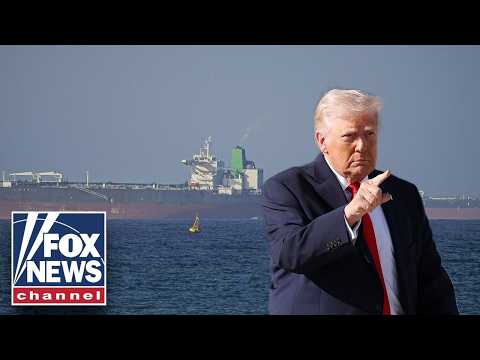
The fragile US-Iran ceasefire is under severe strain. On Saturday morning, Iran attacked a Panama-flagged tanker traveling through the Strait of Hormuz, ignoring a clear opportunity to stand down. In direct response, US CENTCOM launched a significant wave of retaliatory strikes targeting Iranian military infrastructure — including communication systems, air defense sites, drone storage facilities, and mine-laying operations. US officials confirmed these strikes were larger than the ones carried out the previous Friday, reflecting the escalating cycle of retaliation that now threatens to unravel any diplomatic progress entirely.
The core problem is straightforward: Iran had a chance to stop shooting, and it did not take it. Instead, it doubled down — and now both sides are locked in a dangerous tit-for-tat that raises serious questions about whether a negotiated peace is still achievable.
Why Did the US Strike Iran Near the Strait of Hormuz?
According to senior US officials, American forces were compelled to act after Iran attacked a civilian tanker in one of the world's most critical shipping corridors. But there is more to it than just that single incident. Officials revealed that since the initial US strikes on April 7th, Iran has been actively reconstituting its military assets — moving equipment around, rebuilding capabilities, and repositioning forces near the Strait of Hormuz.
The targets struck by US forces were specifically chosen to degrade Iran's ability to threaten maritime traffic and project military power in the region. Communication nodes, air defenses, drone stockpiles, and mine-laying infrastructure were all hit. A senior official noted bluntly: "There's a lot that is damaged, a lot — but they move things around." The message from Washington was unmistakable: the US knows exactly where Iran's assets are, and it will not hesitate to hit them again.
Did Iran Strike US Military Bases in Kuwait and Bahrain?
Yes. In retaliation for the American strikes, Iran launched missiles and drones at US military sites in both Kuwait and Bahrain. As of the latest reports, there were no casualties reported in Kuwait, though Bahraini officials confirmed that Iranian strikes damaged a residential building near the airport. Fortunately, no one was killed in that attack either.
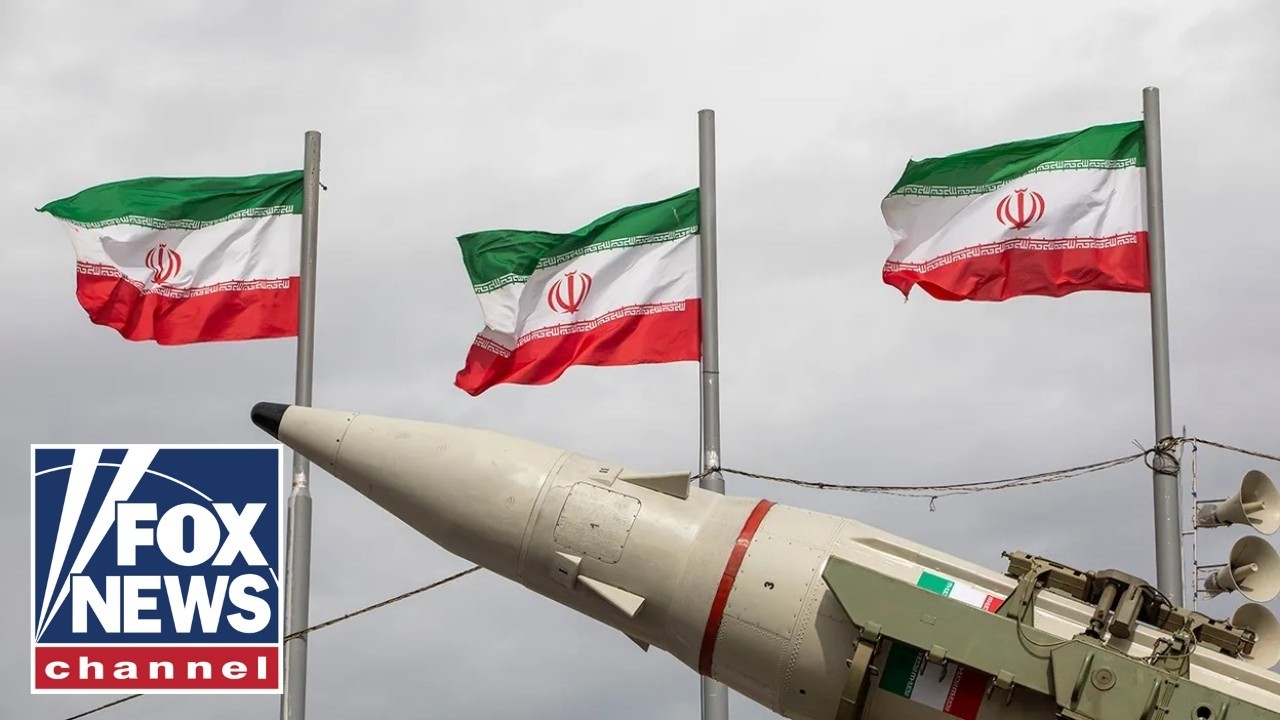
Iranian military officials made their position clear in public statements, warning that if the US continues its strikes, Iran's response will be progressively stronger. One Iranian commander stated directly: "Whatever action the enemy takes, we have responded and will continue to respond. If the enemy violates the ceasefire, our response will be stronger than before." That is not the language of a government looking for an off-ramp.
Will the US Be Forced Into Full War With Iran?
This is the question now dominating discussions in Washington, Tel Aviv, and living rooms across America. President Trump himself has not ruled it out. In a pointed statement, Trump warned: "There may come a point when we are no longer able to be reasonable and will be forced to militarily complete the job that we've very successfully started. If that happens, the Islamic Republic of Iran will no longer exist."
Talk radio host and political commentator Sid Rosenberg, who had just returned from Israel, offered a blunt assessment: Iran will never genuinely agree to a deal, and even if they do, they will never comply. His argument is that the US faces a binary choice — either commit fully to finishing the military campaign, potentially including boots on the ground to reach Iran's deeply buried uranium enrichment facilities, or accept an endless cycle of strikes and counter-strikes with no resolution.
- Option 1: Pursue diplomacy and risk prolonged, low-level conflict with no decisive outcome
- Option 2: Escalate militarily to force a definitive end to the Iranian nuclear and military threat
- Option 3: Accept a partial deal that Iran is likely to violate, kicking the problem down the road
Vice President J.D. Vance has argued that the US holds all the cards and that placing the decision in Iran's hands is itself a form of winning — Iran must now choose its own fate. Critics, including Rosenberg, counter that Tehran simply does not respond to that kind of leverage the way Western governments might expect.
What Did Trump Say About Finishing the Job in Iran?
President Trump's language has grown notably sharper as the ceasefire deteriorates. Beyond his warning about the Islamic Republic's potential non-existence, Trump has framed the situation as Iran's choice to make — but left no ambiguity about what the US is capable of. The administration's position, articulated by both Trump and Vice President Vance, is essentially: there are two paths, and the US wins either way. Iran can accept a deal and peace follows, or Iran continues to fight and faces the full weight of American military power.
What makes this moment historically significant is that Trump is the first American president in decades willing to confront Iran directly rather than defer the problem. Multiple administrations going back nearly half a century avoided the kind of direct military confrontation that has now unfolded. Whether that courage translates into a lasting strategic victory remains the open question.
How Is the US-Iran Conflict Affecting Gas Prices?
The Strait of Hormuz is not just a military flashpoint — it is the artery through which roughly 20% of the world's oil supply flows. Any sustained disruption to shipping in that corridor sends immediate shockwaves through global energy markets. Analysts and commentators alike have pointed out that elevated gas prices are already registering with American consumers, and the longer this conflict continues without resolution, the more pressure builds at the pump.
Politically, this creates a real urgency for the Trump administration. With midterm elections approaching, Republican candidates are eager to campaign on domestic economic issues — but that becomes difficult when energy costs remain high due to ongoing Middle East tensions. A peace deal that stabilizes the Strait of Hormuz would provide immediate relief to gas prices and give the GOP a powerful economic narrative heading into the election cycle.
What Do Israelis Really Think About Trump and Iran?
According to Sid Rosenberg, who attended a major media conference in Israel last week, the Israeli public is watching the US-Iran confrontation with intense anxiety — and no small amount of frustration. While Americans debate gas prices and political strategy, Israelis are keenly aware that if the bombs start falling in earnest, it will not be Brooklyn or Cincinnati absorbing the impact. It will be Tel Aviv and Jerusalem.
Perhaps surprisingly, Israeli sentiment is reportedly not satisfied with the current approach. Many Israelis want to see the Iranian regime dismantled completely — not negotiated with, not contained, but defeated. The concept of a ceasefire or a partial peace deal holds little appeal for a population that has lived under the existential threat of Iranian-backed aggression and Iranian nuclear ambitions for decades. Prime Minister Netanyahu continues to face intense international criticism, yet domestically, the Israeli public's appetite is for decisive victory, not diplomatic half-measures.
The bottom line, as Rosenberg put it plainly: you cannot start something of this magnitude and leave it unfinished. Whether the US has the political will to see this through — or whether Iran will ultimately blink — is the defining geopolitical question of this moment.