
Why Is the US Launching Air Strikes on Iran?
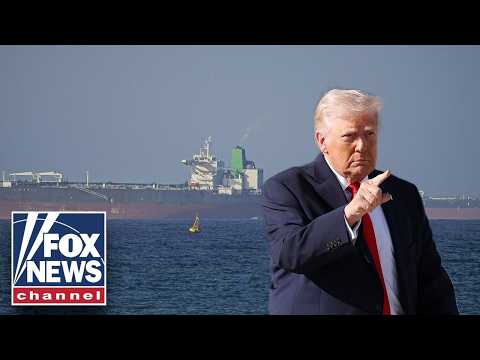
The United States is bombing Iran because Iranian forces have been repeatedly attacking commercial shipping vessels in the Strait of Hormuz. After a third straight night of US air strikes on Iran, President Trump confirmed that American forces are maintaining military pressure on the Iranian regime while parallel diplomatic negotiations continue. Trump stated plainly: "We are hitting them very hard" — and that Iran has expressed a desire to negotiate a deal even as strikes continue.
The immediate trigger for the most recent strikes was Iran's ongoing attacks on commercial tankers passing through the Strait of Hormuz. The Dutch shipping company Stolt Tankers confirmed one of their vessels, the Stolt Magnesium, flagged out of Liberia, was struck — igniting a fire in the engine room. In a separate incident, the United Arab Emirates reported two tankers hit, with one crew member killed. These are not isolated events. Iran has been methodically targeting engine rooms with what military analysts describe as notable precision.
 00:45
Fire burning on Kish Island in the Strait of Hormuz following US air strikes
Watch at 00:45 →
00:45
Fire burning on Kish Island in the Strait of Hormuz following US air strikes
Watch at 00:45 →
What Is the US Naval Blockade of Iran?
The US naval blockade of Iran is an economic and military measure designed to cut off Iran's revenue from petroleum exports. The blockade was briefly paused during diplomatic talks but was reinstated when Secretary Bessent revoked the waivers that had allowed certain transactions. Once those waivers were pulled, the policy became simple: no money, no petroleum.
Retired Navy Captain Brett Sadler, now with the Heritage Centre for National Security, explained that the US Navy never actually left the region — the fleet remained operational throughout the negotiation window. The reinstatement is less about repositioning ships and more about restoring enforcement authority. The Navy is expected to resume interdicting so-called "dark fleet" shipping — vessels attempting to move Iranian oil outside sanctioned channels.
The blockade draws a historical parallel to Operation Praying Mantis in the 1980s, during the Iran-Iraq War's "Tanker War," when the US escorted Kuwaiti-flagged vessels through the same waters. That precedent matters because it frames the legal argument: the US is providing protection, not extortion — a distinction that becomes crucial when Iran's own foreign minister floated the idea of charging passage fees.
02:10
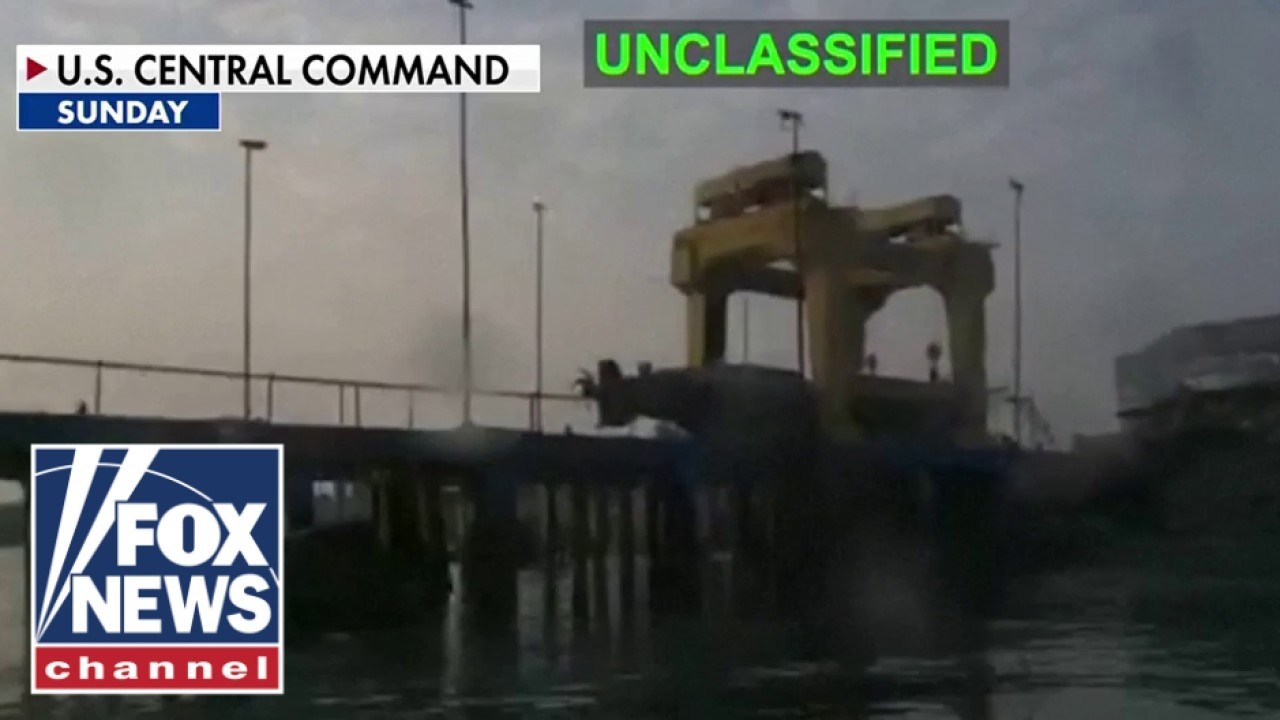
CENTCOM video of US sea drones attacking Iran's submarine and ship repair facility
Watch at 02:10 →
What Is Happening in the Strait of Hormuz Right Now?
The Strait of Hormuz is an active conflict zone. US strikes have been hitting Iranian coastal defense systems, missile and drone launching sites, and naval infrastructure up and down the Iranian coastline. Video footage confirmed fires burning on Kish Island in the Strait following US strikes. CENTCOM also released footage of sea drones attacking Iran's submarine and ship repair facility — a historic first for US combat operations.
Meanwhile, Iran has not stopped. In the final hours before the naval blockade was set to go back into full effect, Iranian forces were still firing on commercial shipping. The pattern is consistent: Iran targets engine rooms, disrupts international trade, and continues doing so even as US strikes mount. This raises a pointed question about whether complete military degradation of Iran's launch capability is even achievable — or necessary.
Can the US Take Out All of Iran's Missile Launchers?
Almost certainly not entirely — but that may not be the goal. Sadler noted that while perfect elimination of every missile and drone launcher is unrealistic, the US can significantly degrade Iran's ability to coordinate attacks effectively. Hitting radar sites, command infrastructure, and logistics hubs forces Iran into less precise, more opportunistic strikes.
- Radar and targeting systems are being hit to blind Iran's ability to direct attacks with precision.
- Missile and drone launch sites are being destroyed to reduce Iran's volume of firepower.
- Naval facilities — including submarine repair infrastructure — are being struck to reduce Iran's maritime threat capability.
Sadler also pointed out something worth watching: the type of munitions damage observed suggests the US is using larger cruise missiles rather than ballistic missiles. This, he argued, signals that the targeted sites are increasingly reachable — meaning Iran's defenses are thinning. Over time, he said, Iranian forces may be reduced to taking "lucky shots" rather than coordinated strikes. The endgame, in his assessment, would be offering Iran an off-ramp: pull forces back north toward Tehran, and the strikes stop.
04:30
Iranian public reaction — defiant voices on the streets of Iran
Watch at 04:30 →
What Are the US Sea Drones Used in Combat for the First Time?
US Central Command made history by deploying sea drones — unmanned surface vessels — in combat operations for the first time. Three autonomous boats were used to strike Iran's naval base, specifically targeting a submarine and ship repair facility. CENTCOM released video of the operation, marking a significant milestone in the evolution of American naval warfare.
The use of unmanned surface vessels (USVs) in a live combat theater signals a broader shift in how the US military intends to operate in contested maritime environments. These drones reduce risk to human crews while still delivering precise strike capability against hardened naval infrastructure. In a region as strategically sensitive as the Strait of Hormuz, where every sailor and pilot is a potential casualty or political liability, unmanned systems offer a powerful tactical advantage.
What Did Iran Say About Charging Fees in the Strait?
Iran's Foreign Minister took an eyebrow-raising position publicly, appearing to negotiate passage fees through the Strait of Hormuz in a social media post directed at President Trump. The message agreed that whoever ensures safe passage of commercial vessels should be compensated — but argued that Iran, as the self-described "guardian of the Strait," should be the one collecting those fees, and that Trump's proposed 20% was too high.
Sadler was blunt in his response: "The Iranians are guardians of nothing." He compared Iran's approach to organized crime — a protection racket dressed in diplomatic language. Threatening ships unless paid is illegal under international law and constitutes a direct infringement on freedom of navigation. By contrast, the US position — that nations benefiting from American military protection should contribute to its cost — mirrors established precedent and is legally defensible.
Are US Troops at Greater Risk After the Blockade Reinstatement?
The short answer from military analysts: not dramatically more than before, but the risk is never zero. Iranian forces have continued launching missiles at US military bases in the region throughout the conflict. Even a single missile penetrating defenses remains a lethal threat. Sadler asked for prayers for the soldiers, sailors, and airmen holding the line in theater.
Where risk could increase is in the enforcement phase of the blockade. If the US resumes physically boarding and seizing ships — as it did during the earlier enforcement period — those operations carry a higher level of direct physical danger. Armed crews on dark fleet tankers may resist. Boarding operations require close-quarters engagement in unpredictable environments. That said, analysts suggest there may be a strategic pause on aggressive interdiction for now, with the focus remaining on degrading Iran's military capacity from the air rather than escalating at sea.
The situation in the Strait of Hormuz remains fluid. Three nights of strikes, a reinstated naval blockade, unmanned combat drones, and ongoing tanker attacks paint a picture of a conflict that is neither fully at war nor fully at peace — and the next 24 hours will be critical.