
What Is Happening Between the US and Iran Right Now?
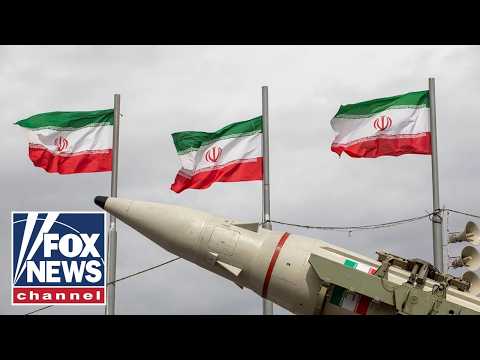
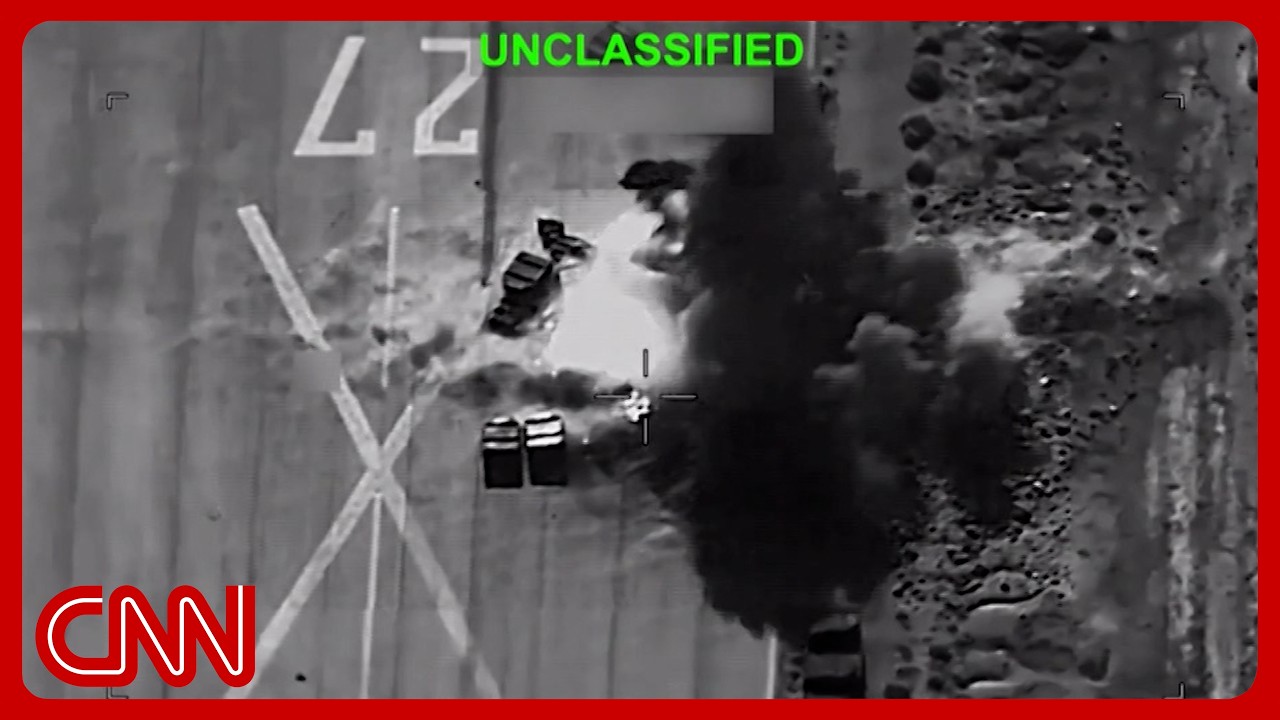
The United States and Iran are locked in a rapidly escalating military exchange that has stunned the world. What is happening between the US and Iran right now is a two-round series of American airstrikes targeting more than 170 Iranian military installations, met with Iranian ballistic missile attacks on US military bases across the Gulf region. US Central Command confirmed strikes on air defense systems, coastal surveillance assets, missile and drone storage sites, naval capabilities, and broader military infrastructure — all concentrated along Iran's coastline and around the Strait of Hormuz. Iran has responded with force, targeting American bases in Kuwait, Bahrain, and Qatar, while Jordan has intercepted eight Iranian missiles. The situation is changing by the hour, and analysts warn this could spiral into full-scale conflict.
The strikes represent a dramatic breakdown of a ceasefire agreement — a memorandum of understanding — that President Trump signed just weeks ago on the sidelines of the G7 summit. What began as a fragile diplomatic opening has collapsed into open military confrontation, leaving the Middle East on edge.
Why Is the US Striking Iran?
The core stated reason is clear: the United States says Iran has been threatening and disrupting commercial shipping through the Strait of Hormuz, one of the most critical chokepoints for global oil and trade. US Central Command says the strikes are designed specifically to keep the strait open and to degrade Iran's ability to project military force into that waterway.
Beyond the immediate military rationale, White House reporters and senior officials have painted a picture of a deeply frustrated president. Trump had been pushing Iran through diplomatic back-channels and the now-collapsed MOU, but US officials say Iran was slow-walking nuclear negotiations while simultaneously threatening shipping lanes — two red lines for the administration. The president, emboldened by the recent US military operation that extracted Venezuelan President Maduro, reportedly believed a swift air campaign could force rapid political change in Tehran. That calculation appears to have been badly miscalculated.
- Immediate trigger: Iranian threats and actions against commercial ships in the Strait of Hormuz
- Strategic goal: Preserve freedom of navigation and degrade Iranian military capacity
- Political backdrop: Collapse of the G7-era ceasefire memorandum and stalled nuclear talks
Is the Strait of Hormuz Closed to Shipping?
The Strait of Hormuz — through which roughly 20% of the world's oil supply passes — is at the heart of this conflict. Iran has long held the ability to threaten or close the strait using coastal missile batteries, fast attack boats, mines, and drone swarms. The US strikes specifically targeted the infrastructure Iran uses to project that threat: missile and drone storage facilities, military speedboats, coastal surveillance systems, and logistics networks along the Persian Gulf coastline.
As of the latest reports, the strait has not been formally closed, but shipping traffic has been severely disrupted. The presence of active Iranian retaliation and ongoing US airstrikes in the region has caused many commercial vessels to reroute or pause transit, sending ripple effects through global energy markets. Keeping the strait open was explicitly written into the memorandum of understanding Trump signed — and Iran's failure to honor that commitment is cited by officials as a primary driver of the current military escalation.
Which US Military Bases Has Iran Attacked?
Iran's military response has been significant in both scope and geography. Iranian forces have now targeted US military installations across multiple Gulf nations over consecutive nights:
- Kuwait: Targeted for a second consecutive night, indicating sustained Iranian missile operations
- Bahrain: Also struck for the second night in a row, home to the US Navy's Fifth Fleet headquarters
- Qatar: Iran's state media acknowledged for the first time that Tehran had targeted a US military site in Qatar — a significant escalation given Qatar hosts Al Udeid Air Base, the largest US military installation in the Middle East
- Jordan: Not directly targeted by Iran, but Jordanian air defenses intercepted eight Iranian missiles, with officials confirming the intercepts via state media
Perhaps most alarming is the report that Iran fired 10 ballistic missiles at a major US air base in Jordan — a sign that Iran is shifting to longer-range, heavier munitions, expanding the conflict geographically beyond the Gulf into the broader Middle East.
What Did Trump Say About an Iran Ceasefire Deal?
Speaking to reporters, President Trump struck a characteristically combative but ambiguous tone. He boasted about the scale of US military retaliation — claiming the US was hitting Iran "20 to 1" for every strike Iran launches — while simultaneously leaving the door open to renewed negotiations.
"They want to make a deal so badly," Trump told reporters. "They called a little while ago. They want to make a deal so badly. I just don't know if they're worthy of making a deal. I don't know that they're going to honor the deal." When asked directly whether the US was returning to full-scale military conflict, Trump said simply: "I don't know. We're winning very quickly."
Behind the scenes, sources tell CNN the president has been deeply frustrated on two fronts: the slow pace of nuclear negotiations, which officials believe Iran has been deliberately dragging out, and Iran's continued actions in the Strait of Hormuz despite agreeing in the MOU to allow free passage. That frustration, insiders say, is what ultimately drove him to order the second round of strikes.
What Happened to Iran's Supreme Leader Khamenei?
Adding an extraordinary layer of complexity to an already volatile situation: Iran's Supreme Leader, Ayatollah Ali Khamenei, has died, and today is the day of his burial in Mashhad — the holiest city in Iran for Shia Muslims. His death has triggered a weeks-long national mourning period, and hundreds of thousands of Iranians lined the streets of Mashhad for the funeral procession.
US strikes overnight targeted two railway bridges on the main rail line connecting Tehran to Mashhad — the very route many Iranians were using to travel to the burial ceremony. Iran's state media reported this with outrage, calling it a deliberate desecration during a national day of mourning. Whether or not that was the intent, the optics have dramatically inflamed public anger inside Iran, potentially hardening the political position of whoever emerges as the next supreme leader.
Separately, reports from Iran's Bushehr province indicate that the perimeter of a nuclear power plant there appeared to sustain damage — though the area also contains military installations, making it unclear what the intended target was.
Why Did the US-Iran Ceasefire Memorandum Fall Apart?
CNN senior politics reporter Stephen Collinson, who has covered this conflict closely, argues that President Trump is now in "a predicament of his own making." His analysis points to several compounding failures:
- Overconfidence after Venezuela: The White House was reportedly emboldened by the successful extraction of Maduro and believed a short air campaign could produce rapid political change in Iran — ignoring 25 years of lessons from Iraq and Afghanistan
- Lack of regional expertise: Officials around the president reportedly had limited deep knowledge of Iran's history, politics, and strategic culture
- Treating geopolitics like a real estate deal: The administration's negotiating approach — seen also in Ukraine talks — assumed all parties are ultimately motivated by financial gain. Iran, like many actors, is also driven by nationalism, ideology, sovereignty, and domestic politics
- Misreading Israeli intent: The US may have adopted the Israeli strategic framework without fully appreciating that Israel was prepared for — and arguably preferred — a prolonged or even perpetual conflict against Iran, a posture the US public and military are far less equipped to sustain
The memorandum of understanding explicitly required Iran to allow free passage through the Strait of Hormuz. Iran's failure to uphold that commitment, combined with continued nuclear foot-dragging, gave the president the justification — and the anger — to order what has now become a two-round military campaign with no clear end in sight.
The coming days will be critical. Will Iran's leadership transition create an opening for de-escalation, or will the combination of military strikes during a national day of mourning harden Tehran's resolve? The world is watching.