
What Is Happening Between the US and Iran Right Now?
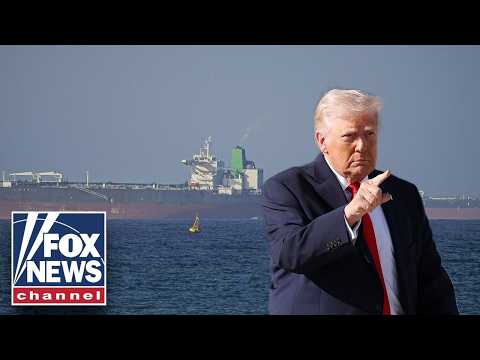
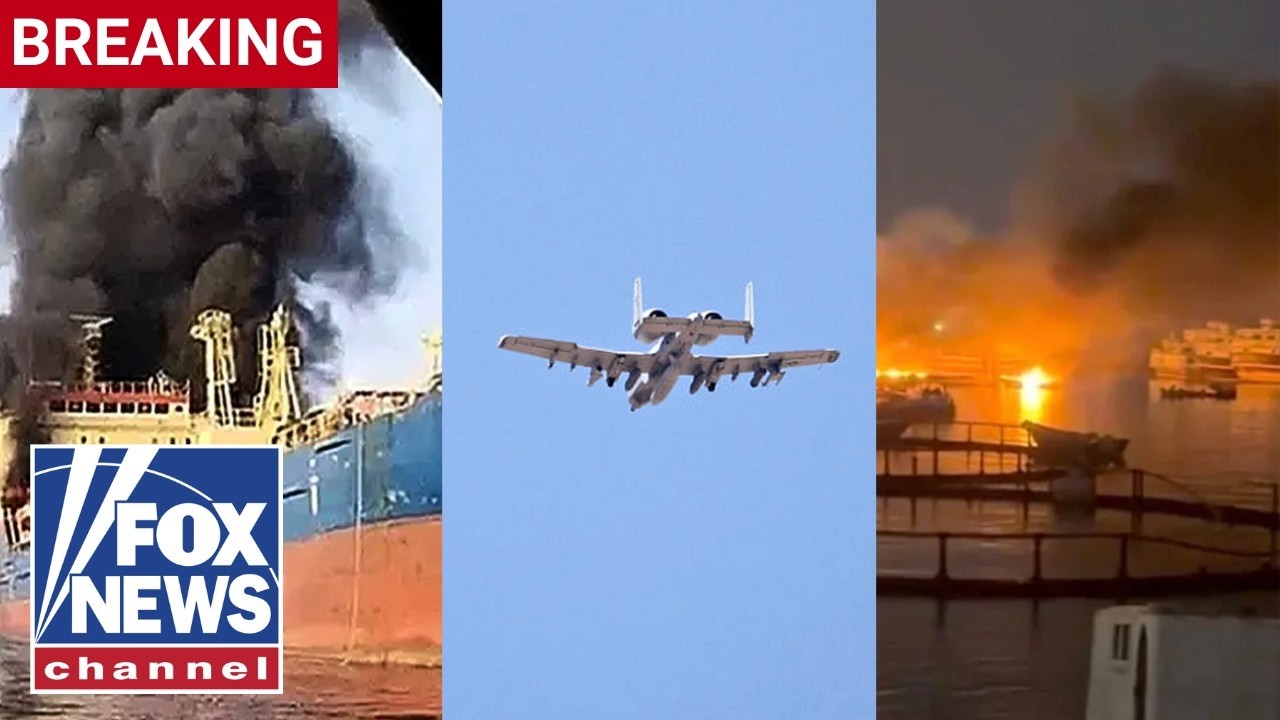
US Central Command has just announced a third round of military strikes against Iran, executed at the direct order of the Commander-in-Chief. The strikes came in response to Iranian forces attacking a Cyprus-flagged container ship in the Strait of Hormuz. According to CENTCOM, the goal is to degrade Iran's ability to threaten commercial shipping in one of the world's most critical maritime corridors. What is happening between the US and Iran right now is no longer a diplomatic standoff — it has escalated into active military exchange, and the consequences are still unfolding.
Just weeks ago, the administration appeared to be pursuing a structured diplomatic path: a 60-day memorandum of understanding, a framework that had the Vice President publicly engaged and the entire administration seemingly locked in step. Now, those talks appear to have broken down entirely, and the US is back to striking Iranian assets. For many Americans watching, it feels like a reset to square one.
Why Did the US Strike Iran in the Strait of Hormuz?
The immediate trigger was Iran's attack on a Cyprus-flagged commercial container ship navigating the Strait of Hormuz — a waterway through which roughly 20% of the world's oil supply flows. President Trump had previously issued Iran a direct ultimatum, and when Iranian-backed forces moved against commercial shipping anyway, the US responded with force.
This follows a pattern that analysts have described as reactive but deliberate. The administration's position is clear: Iran cannot be allowed to weaponize the Strait of Hormuz. Disrupting that corridor doesn't just threaten US interests — it threatens global energy markets, allied shipping lanes, and the broader rules-based international order that keeps trade moving.
Supporters of the strikes argue that President Trump is doing exactly what he said he would do. Critics question whether repeated strike cycles without a defined endgame constitute a coherent strategy. The honest answer, as panelists acknowledged on air, is that no one yet knows what comes next.
How Will US Strikes on Iran Affect Oil Prices?
Despite the dramatic escalation, oil markets have remained relatively calm — at least for now. Crude futures were sitting around $71 per barrel at the time of the announcement, a notable contrast to the $100-per-barrel levels seen earlier in the conflict and the $4-plus prices Americans felt at the gas pump.
However, analysts caution that this calm may not last. The Strait of Hormuz is not just a military flashpoint — it is an economic chokepoint. If the conflict escalates to the point where commercial traffic through the strait is severely disrupted, oil prices could spike rapidly. Every additional strike, every Iranian countermove, and every day the strait remains contested adds uncertainty to energy markets that are already navigating a fragile global economy.
For everyday Americans, the most direct consequence of prolonged conflict in this region isn't geopolitical — it's what they pay at the gas station. That's what makes resolution, in whatever form it takes, a pressing economic issue and not just a foreign policy debate.
What Does Gen Z Actually Think About US Military Action in the Middle East?
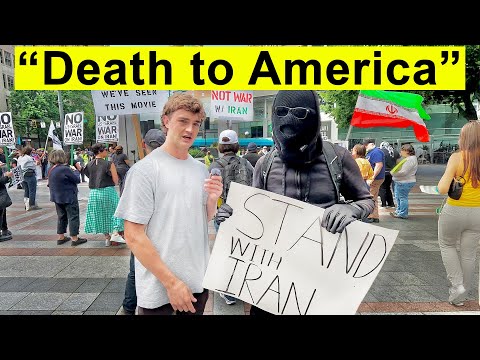
One of the more candid conversations to emerge from this breaking news moment was an honest assessment of the generational divide in how Americans view US military involvement in the Middle East.
Gen Z — those recently graduated from college or still in school — grew up entirely inside the War on Terror. The conflicts in Iraq and Afghanistan aren't historical events to them; they are the backdrop of their entire childhoods. The result, as one Gen Z commentator put it plainly, is a deep sense of exhaustion and confusion rather than clear ideological conviction.
When young conservatives say "America First," they often mean it in the most literal sense: they want resources, attention, and political energy focused domestically. This isn't necessarily isolationism rooted in ideology — it's fatigue rooted in experience. Watching breaking news alerts about Iran strikes feel routine, almost numbing, to a generation that has never known a world without US military operations somewhere in the Middle East.
Older generations bring different reference points. Those who came of age during the rise of Islamic radicalism, or who witnessed the Beirut bombings, or who were in New York City on September 11, 2001, carry a visceral understanding of what unchecked terrorism can do. The generational gap isn't about patriotism — it's about which formative events shaped your understanding of the world.
Will Military Action Against Iran Hurt Republicans in the Midterms?
The political calculus here is genuinely contested. Some analysts argue that any prolonged military engagement carries electoral risk for the party in power — voters grow weary, and Democrats gain a natural line of attack around competence and escalation management.
Others push back hard on that assumption. The argument goes like this: Americans don't punish decisive action — they punish indecision and drift. If the administration can demonstrate that it is acting with purpose, following through on stated ultimatums, and not allowing Iran to attack US-aligned shipping without consequence, that reads as strength. And strength, historically, has electoral value.
The danger, as commentators noted, is the "rinse and repeat" scenario — where strikes happen, headlines spike, diplomatic talks resume, break down again, and the cycle restarts without any measurable change in Iran's behavior. That kind of stalemate is what breeds voter frustration. It's not the use of force that damages incumbents — it's the appearance that the force isn't working.
Can Diplomatic Talks With Iran Actually Work?
This is perhaps the sharpest point of disagreement. The administration invested significant political capital in its 60-day diplomatic framework, with senior officials — up to and including the Vice President — publicly backing the approach. The framework collapsed. Now the US is back to kinetic action.
Skeptics argue that Iran has no real incentive to negotiate in good faith. They point to a long history of diplomatic agreements that Iranian leadership has used as tactical pauses rather than genuine commitments. "They don't mean anything they say" is a blunt assessment, but it reflects a view held by a significant portion of foreign policy hawks who believe that coercive pressure — not negotiation — is the only language that produces durable behavioral change from Tehran.
The counterargument is that diplomacy, even imperfect diplomacy, is preferable to open-ended military conflict. The question is whether there is a credible diplomatic partner on the Iranian side willing and able to deliver on commitments — and right now, that remains deeply uncertain.
What Does 'America First' Really Mean for Middle East Policy?
The tension at the heart of this entire debate is a definitional one: what does America First actually require of US foreign policy in the Middle East?
For some, it means pulling back — reducing the US military footprint, ending open-ended engagements, and focusing national resources inward. For others, it means the exact opposite: using American power aggressively and decisively to protect US economic interests, allied shipping lanes, and global energy stability — because a disrupted Strait of Hormuz absolutely affects the American economy.
The Strait of Hormuz isn't an abstract foreign policy problem. It's the reason oil prices move, the reason gas prices spike, and the reason a military conflict thousands of miles away lands directly in the wallets of American families. In that sense, defending freedom of navigation in the strait is, by one legitimate reading, as America First as it gets.
What is clear is that the situation remains fluid, the stakes are high, and the next move — from both Washington and Tehran — will shape not just the security landscape in the Middle East, but the political landscape heading into the next election cycle. Stay tuned.