What Is California's AB2624 Stop Nick Shirley Act?
California's AB2624 — unofficially dubbed the Stop Nick Shirley Act by its critics — is a proposed state bill that would make it a criminal offense to film, photograph, or publicly post information about taxpayer-funded immigrant support services. If passed, the law would apply to nonprofit organizations, healthcare facilities, legal clinics, community daycare centers, hospices, and any entity designated as an immigration support services provider. That definition is deliberately broad, and that breadth is exactly what has journalists, free speech advocates, and Republican legislators sounding the alarm.
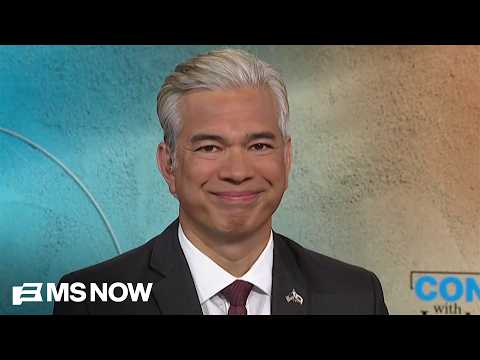
The bill was introduced by Assemblywoman Mia Bonta and has drawn national attention not just for its content, but for who wrote it. Mia Bonta is married to Rob Bonta — the Attorney General of California, the very official whose office is supposed to investigate and prosecute fraud. The personal connection makes the political stakes even higher.
Does AB2624 Violate the First Amendment?
Legal critics and legislators who have read the bill in full argue that AB2624 is a textbook First Amendment violation. Here is why:
- The bill prohibits publicly posting or distributing on the internet the personal information or image of a designated immigration support service provider, employee, or volunteer — even if that image was captured in a public space.
- It defines harassment as repeated, unreasonable, and unwelcome conduct — language so vague that simply asking questions on camera could qualify.
- It grants covered organizations the power to issue a demand for video takedowns, and once that demand is made, it remains effective for four years.
- It applies to journalists filming from public sidewalks and parking lots, not just inside private facilities.
One California assemblyman who opposed the bill put it bluntly: "It criminalizes citizen investigative journalists who take video and expose fraud. That's what the bill is designed to do. It's designed to keep secrets." First Amendment attorneys widely agree that any law restricting publication of lawfully obtained information filmed in public spaces faces an extremely high constitutional bar — one this bill almost certainly cannot clear.
What Fines and Penalties Does AB2624 Impose?
The financial penalties written into AB2624 are severe enough to bankrupt an independent journalist or small media outlet. Under the bill's current language:
- $4,000 civil fine per violation
- $10,000 criminal fine per violation
- $50,000 felony fine per violation
- Potential imprisonment
- Mandatory content removal from the internet and social media platforms
What makes this especially dangerous is the mechanism for triggering the penalty. Under the bill, a covered organization only needs to hand a journalist a business card or written notice stating they do not want footage posted. If the journalist publishes the footage anyway — even if it documents fraud with public money — they are exposed to all of the penalties listed above. Critics describe this as a tool specifically designed to bully and bankrupt citizen journalists before their investigations reach the public.
Who Is Mia Bonta and Why Did She Write This Bill?
Mia Bonta is a California Assemblywoman representing the 18th Assembly District in the Oakland area. She is also the wife of California Attorney General Rob Bonta. She authored AB2624, framing it as a protection bill for vulnerable immigrant communities and their service providers who, she argues, have faced harassment and intimidation.
However, her critics point to a very different record. Assemblywoman Bonta previously refused to vote to make sex trafficking of a minor a strikeable offense in California — a bill that would have meant a life sentence on a third strike. It reportedly took direct intervention from the Governor to reverse the committee's decision and pass the measure. The irony, as one opposing legislator noted on camera, is stark: "She wouldn't criminalize sex traffickers, but she'll criminalize people like you."
Bonta's office defends AB2624 by stating that legislative counsel reviews all bills for constitutionality before passage. When confronted directly by journalists in the Capitol hallway, she maintained the bill had been mischaracterized and did not violate the First Amendment — though she declined to address specific provisions of the text on camera.
Is There a Conflict of Interest With Mia and Rob Bonta?
This is the question that has generated the most public outrage — and it is a legitimate one. The Attorney General of California, Rob Bonta, heads the office responsible for investigating and prosecuting fraud. His wife, Mia Bonta, is simultaneously authoring legislation that would make it harder for the public and independent journalists to discover and report on that same fraud.
The timing compounds the concern. Rob Bonta held a press conference recently announcing crackdowns on healthcare and immigration services fraud, taking credit for actions that critics say only happened after independent journalists had already publicly exposed over $100 million in fraudulent billing — including fake hospices with no patients and daycare centers with no children. When the AG's office finally moved, it indicted 21 individuals. Opponents argue that represents only the surface of a much deeper problem, and that the real response from the Bonta household has been to target the journalists who forced the issue rather than expand the prosecutorial effort.
Multiple California legislators, when asked directly on camera whether this arrangement constitutes a conflict of interest, either walked away without answering or denied any wrongdoing. One supporter of transparency reform called it "a textbook conflict of interest and extremely unethical."
How Much Immigration Fraud Has Been Exposed in California?
The scale of documented fraud in California's immigrant support services ecosystem is staggering. Independent investigative reporting has helped surface:
- Over $100 million in fraudulent billing tied to healthcare and social services
- Half a billion dollars in fraud across just three California cases
- Fake hospice operations billing Medi-Cal for patients who did not exist
- Daycare centers operating under Cal Works funding with no children present
- Somali learning centers with no students enrolled but continuing to receive government grants
These are not allegations — arrests have been made. But critics of AB2624 argue that the investigations leading to those arrests would have been impossible under the bill's proposed rules. Filming a fake hospice from a parking lot, posting that footage online, and refusing a takedown demand would expose any journalist to felony-level fines under the new law. The bill, they say, is not about protecting vulnerable people. It is about protecting the organizations defrauding the system that serves them.
Organizations like CHIRLA — the Coalition for Humane Immigrant Rights Los Angeles — which receives taxpayer funding, are also named in criticism of the bill. Under AB2624, such groups would no longer be required to publicly disclose the amounts of government money they receive, removing a key layer of financial accountability entirely.
Why Won't California Legislators Answer Questions About AB2624?
Journalists confronting co-authors of AB2624 in the California State Capitol were met with a consistent pattern: denial, deflection, and departure. Among the responses captured on camera:
- One co-author claimed she did not know what bill was being discussed despite having signed it.
- Another said she would need to review the committee materials before commenting on a bill she co-authored.
- A third called the journalist a "psycho scam artist" and walked away.
- Several legislators insisted the bill had been misrepresented but refused to read specific provisions aloud or explain their interpretation.
- One assemblyman on the privacy committee claimed the bill had not yet passed before his committee — despite his name appearing as a co-author.
The refusal to engage is, to many observers, itself a story. These are elected officials, paid by California taxpayers, co-authoring legislation that would criminalize the public's ability to monitor how their money is spent — and they will not explain their reasoning on the record. As one Republican legislator put it while walking the Capitol floor handing legislators the actual bill text: "The author of the bill is lying. When you read the text, it's plain English. It would make it a crime to post video evidence of fraud."
AB2624 has not yet been signed into law. According to prediction markets, there is currently a 46% chance it passes by June 30th. Whether it advances or fails, the fight over this bill has already forced a national conversation about government transparency, the rights of citizen journalists, and who — in a democracy — gets to decide what the public is allowed to know.