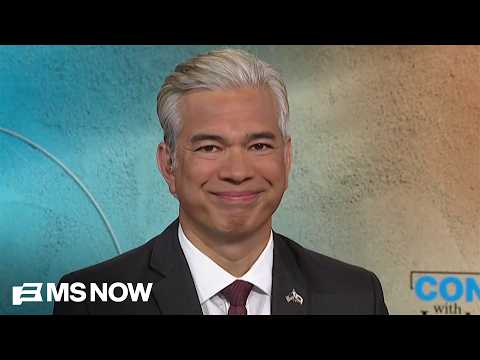
Why Is California Suing to Block the Paramount-Warner Bros Merger?
California is suing to block the Paramount and Warner Bros merger because state Attorney General Rob Bonta — joined by 11 other state attorneys general — argues the deal is presumptively illegal under federal antitrust law. The lawsuit, filed in the Northern District of California, claims the proposed merger would substantially lessen competition across three critical entertainment markets, violating the Clayton Act Section 7. In short, this merger would create an entertainment behemoth so dominant that fair competition in film distribution and cable licensing could be severely damaged — and California isn't willing to let that happen without a fight.
The lawsuit was filed in federal court in the San Francisco Bay Area, and the timing is deliberate. Bonta and the coalition of attorneys general moved before the deal closed, preserving their full legal rights and their ability to seek emergency relief if the companies try to push the merger through anyway.
 00:45
California AG Rob Bonta announces the federal lawsuit at a press conference in front of the Hollywood sign
Watch at 00:45 →
00:45
California AG Rob Bonta announces the federal lawsuit at a press conference in front of the Hollywood sign
Watch at 00:45 →
What Antitrust Laws Does the Merger Allegedly Violate?
The legal foundation of the lawsuit rests on the Clayton Act, Section 7, a cornerstone of American antitrust law that prohibits mergers which substantially lessen competition. According to the complaint, the Paramount-Warner Bros merger would create illegal concentration in three specific markets:
- The distribution of wide-release theatrical films across the United States
- The distribution of top-grossing blockbuster and tentpole films, the biggest box office draws in Hollywood
- The licensing of basic cable channels to cable distributors nationwide
In each of these markets, the state attorneys general argue that a combined Paramount-Warner Bros entity would hold such an outsized share that competition would be structurally undermined. When a merger is presumptively illegal under the Clayton Act, the legal burden shifts — the companies must prove the deal is pro-competitive, not the government proving it is harmful. That is a significant legal threshold, and Bonta is confident the facts meet it.
Which States Joined California in the Lawsuit?
California did not act alone. Attorney General Bonta filed this lawsuit alongside 11 other state attorneys general from across the country, making this a broad, multi-state legal challenge rather than a single-state action. While all 12 states are named in the federal complaint, the coalition signals that concern about this merger extends well beyond California's borders. The geographic scope of the lawsuit covers the entire United States, with the complaint arguing that the relevant market for this antitrust challenge is the country as a whole.
Will the Merger Actually Be Blocked?
That is the question everyone is asking, and Bonta is direct about his confidence: he believes the states will prevail. The legal team has drawn on prior experience, including the state's antitrust challenge against the Ticketmaster-Live Nation merger — which went to a jury — and the ongoing Nexstar-Tegna case, where a preliminary injunction was successfully obtained even close to the deal's closing date.
03:10
Bonta explains the three specific markets where the merger is presumptively illegal under the Clayton Act
Watch at 03:10 →
The immediate next step is critical. Bonta has asked Paramount and Warner Bros to voluntarily halt the merger closing until the court rules on the merits. If the companies refuse, the states will immediately seek a temporary restraining order (TRO) to legally freeze the deal. Bonta expressed confidence that a TRO would be granted, pointing to the strength of the antitrust arguments and the existing private plaintiff case already before the same federal judge.
One important dynamic to watch: the companies are reportedly nearing the end of their regulatory review process in multiple jurisdictions, including the European Union. The EU has signaled where it may land, but has not yet finalized its decision. That means the deal is not closed — and the window for the states to intervene is still open.
Can They Close the Deal While the Lawsuit Is Pending?
Technically, nothing prevents Paramount and Warner Bros from attempting to close the merger even with the lawsuit active — unless a court orders them not to. That is precisely why the temporary restraining order is so important. Bonta acknowledged that the companies are moving toward closing but emphasized that the states filed in a timely manner, preserving all legal rights. He cited the Nexstar-Tegna case as proof that even a late-stage filing can succeed in halting a merger.
There was also a pointed question raised about whether the companies could use the merging process itself as leverage — arguing to a court that so much integration has already occurred that unwinding it would be impractical. Bonta dismissed that concern, noting the states are well ahead of that scenario and that no such irreversible integration has taken place.
How Would This Merger Hurt Hollywood and Media Competition?
Beyond the legal arguments, the real-world stakes are significant. A merged Paramount-Warner Bros would control an extraordinary range of media assets — from CNN and CBS News to major streaming platforms, blockbuster film studios, and a vast cable channel portfolio. Bonta warned that consolidation at this scale typically leads to:
07:55
Bonta discusses the temporary restraining order strategy if Warner Bros and Paramount refuse to halt the merger voluntarily
Watch at 07:55 →
- Erosion of content quality — fewer resources dedicated to original TV series, films, and journalism
- Less diversity of perspectives — fewer independent voices and viewpoints reaching audiences
- Reduced competition — creative talent, distributors, and cable operators would face fewer choices and more pricing power concentrated in one entity
From California's perspective, the stakes are especially personal. The state is home to iconic Hollywood, and Bonta held his press conference in front of the Hollywood sign — a deliberate symbol. Hollywood has created jobs for generations of writers, directors, producers, crew members, and creatives. The attorney general framed the lawsuit not just as a legal matter but as a defense of a living industry that still calls California home, even as productions increasingly spread to Georgia, New Mexico, New York, and international locations.
How Long Will the Merger Lawsuit Take?
Litigation timelines in major antitrust cases are notoriously unpredictable, and Bonta was candid about that reality. His broad estimate: more than one year, but less than three. The actual timeline depends heavily on the defendants' strategy. If Paramount and Warner Bros pursue aggressive motions to dismiss, challenge discovery requests, or delay depositions, the case could stretch toward the longer end of that range.
The states' case will be heard by a federal judge — not a jury, unlike the Ticketmaster-Live Nation litigation — in the Northern District of California. Because a related private plaintiff's case is already before the same court, there is an expectation that the judge will have significant background knowledge of the merger's details, which could streamline parts of the process.
What This Means for the Future of Media
This lawsuit arrives at a particularly charged moment for American media. The Trump administration has simultaneously been sending federal agents and subpoenas to reporters at major news outlets, raising broader concerns about press freedom and the independence of journalism. A combined entity controlling both CNN and CBS — two of the most influential news brands in the country — adds another dimension to the public interest argument at the heart of this case.
Bonta was clear that the lawsuit is grounded strictly in antitrust analysis, not political considerations. But he acknowledged the broader context: a healthy, competitive media landscape is not just an economic issue. It is a democratic one. Fewer owners, fewer perspectives, and less competition in the news business ultimately means less accountability — for corporations and governments alike. California's lawsuit is a bet that the courts agree.