The battle over the future of Hollywood just escalated dramatically. A coalition of 12 state attorneys general, led by California AG Bob Bonta, filed a lawsuit Monday seeking to block Paramount's proposed takeover of Warner Bros. Discovery. The states argue the Paramount Warner Bros. merger violates the Clayton Act — a century-old antitrust law — and would fundamentally reshape the entertainment industry in ways that harm consumers, workers, and competition alike. With shareholder approval already secured and the Trump administration having greenlit the deal, this lawsuit may be the last major obstacle standing between two of Hollywood's biggest legacy studios and a combined empire worth roughly $11 billion.
Why Are 12 AGs Suing to Block the Paramount Warner Merger?
California AG Bob Bonta was unambiguous: "This deal is illegal under the Clayton Act. This merger would snuff out competition, drive up prices, diminish content quality, and produce fewer movies and shows each year."
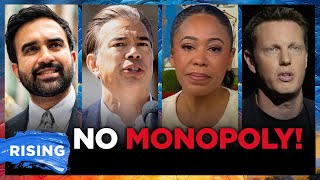 00:45
California AG Bob Bonta explains why states are intervening under the Clayton Act
Watch at 00:45 →
00:45
California AG Bob Bonta explains why states are intervening under the Clayton Act
Watch at 00:45 →
The Clayton Act, which has been on the books for over a hundred years, prohibits mergers that may substantially lessen competition or tend to create a monopoly. The coalition of states — including New York, New Jersey, Colorado, Massachusetts, Minnesota, Nevada, New Mexico, Connecticut, Arizona, Oregon, and Washington — argues that combining Warner Bros. (HBO Max, CNN, Harry Potter) with Paramount (Paramount Pictures, Paramount+) under one roof crosses that legal line.
If the companies refuse to voluntarily delay the transaction, the coalition has signaled it will seek a temporary restraining order to freeze the deal while litigation proceeds. For Paramount and Warner Bros., which had been hoping to close within weeks, that's a significant wrench in the works.
Will the Merger Make Your Streaming Bills More Expensive?
This is the core consumer concern — and it's a legitimate one. Right now, Paramount+ and Max (formerly HBO Max) compete directly for your subscription dollars. That competition keeps prices in check. If Paramount is charging $12.99 and Max is at $11.99, you have a choice. You can walk.
03:10
The debate over whether streaming price hikes are inevitable after the merger
Watch at 03:10 →
Once they merge? That choice evaporates. A combined platform could reasonably charge $14.99 or more for access to content that previously required two separate — and competing — subscriptions. With no rival offering the same catalog of HBO originals, Harry Potter, CNN, and Paramount films, consumers lose their leverage entirely.
Defenders of the merger argue this framing is too narrow. The streaming market isn't just Paramount vs. Warner — it's Paramount and Warner vs. Netflix, Apple TV+, Disney+, YouTube, TikTok, and the option to cut cable entirely. The argument goes that in a fragmented media landscape where your attention is fought over on every screen and every platform, true monopoly pricing is nearly impossible to sustain.
Still, for subscribers who want access to HBO's prestige content and Paramount's film library, the practical reality of a price hike is hard to argue away.
05:30
Discussion of job losses across entertainment industry ecosystems in affected states
Watch at 05:30 →
How Many Jobs Could the Paramount Warner Merger Kill?
When corporations talk about merger "efficiency," the entertainment industry has learned to read between the lines. Efficiency often means layoffs — and potentially thousands of them across California, New York, Georgia, Louisiana, and other states with significant entertainment economies.
The impact wouldn't stop with the obvious: actors, writers, directors, and journalists. It would ripple through entire ecosystems — camera operators, editors, electricians, caterers, truck drivers, dry cleaners, theater employees, and the small businesses that depend on Hollywood productions staying active and competitive.
New York City Mayor Zohran Mamdani put it starkly on X: "This merger would endanger the livelihoods of thousands of New York artists and entertainment workers and threaten to shutter theaters across our city."
For young people trying to enter the media industry, the stakes are especially high. Every time two major companies merge, there are fewer entry-level jobs, fewer newsrooms, fewer production teams, and fewer pathways into the industry. The counterargument — that anyone can start a YouTube channel — doesn't hold up against the reality that independent content creation rarely comes with a salary, health insurance, or the professional training that traditional media employment provides.
Is This Merger Actually Good or Bad for Viewers?
Honestly? It depends on who you ask — and what you watch.
There's a genuine argument to be made that consolidation could benefit viewers. A combined Paramount-Warner entity would control an extraordinary library of intellectual property. Imagine Looney Tunes and Harry Potter characters finally existing in the same cinematic universe — that kind of creative crossover only becomes possible when one company holds both licenses.
Consolidation also allows studios to pool their best talent and biggest budgets, potentially elevating production quality across the board.
But here's the flip side: when companies get big enough, they tend to play it safe. Instead of greenlighting risky, original projects, a merged behemoth is far more likely to greenlight Fast and Furious 14, another superhero reboot, or a legacy IP sequel. The very competition that currently forces Paramount and Warner to outdo each other — and outdo Netflix — disappears the moment they're the same company.
Fewer distinct studios mean fewer distinct creative visions. And for viewers who want variety, that's a real loss — even if the overall content library technically gets bigger.
What Is the Clayton Act and Why Does It Matter Here?
The Clayton Act, passed in 1914, is one of the foundational pillars of U.S. antitrust law. It prohibits corporate mergers and acquisitions where the effect "may be substantially to lessen competition, or to tend to create a monopoly" in any line of commerce.
Critically, antitrust law is primarily focused on harm to consumers — not harm to rival companies, not harm to workers, and not harm to journalists or small businesses, as sympathetic as those concerns may be. To win this lawsuit, the coalition of attorneys general will need to demonstrate that the merger specifically and measurably damages consumers of the products these companies sell.
That's a high legal bar. And it's the central reason why some observers think this lawsuit, while politically meaningful, may struggle in court.
Did the Trump Administration Just Wave This Merger Through?
Yes — and that approval is generating its own layer of scrutiny. The Trump administration cleared the deal just weeks ago, despite the scale of the proposed consolidation. That decision has raised questions about the growing influence of the Ellison family.
Paramount CEO David Ellison is the son of Oracle founder Larry Ellison, who has maintained a close personal relationship with President Trump. A combined Paramount-Warner company would also place CNN under Ellison family control — a fact that adds significant weight to concerns about media consolidation, editorial independence, and who ultimately controls the information consumed by millions of Americans.
New York's Mayor Mamdani framed it broadly: "This is not just a merger. This is about democracy, journalism, economic power, and who gets to control the information and entertainment consumed by millions of Americans."
Will a Merged Paramount-Warner Play It Safe and Kill Originality?
There's a strong case that it will. The current competitive landscape — with Netflix, Apple TV+, Amazon, and Disney all fighting for subscribers — forces every major studio to take creative risks. Netflix raises the bar constantly. Apple TV+ punches above its weight on quality. That pressure benefits viewers.
When Paramount and Warner merge, they lose one significant competitive pressure point against each other. The result, critics argue, will be more franchise sequels, more IP recycling, and fewer original bets on new stories and new voices.
Paramount strongly disputes all of the states' claims, arguing the lawsuit misapplies antitrust law. The courts will ultimately decide — but the deadline is ticking. Paramount is reportedly on the hook for a significant shareholder payout if the deal doesn't close by September, which means the pressure to push through is real and mounting.
Whatever the outcome, this lawsuit has put a spotlight on a question that goes far beyond one merger: in an era of consolidating media power, who is actually looking out for the audience?