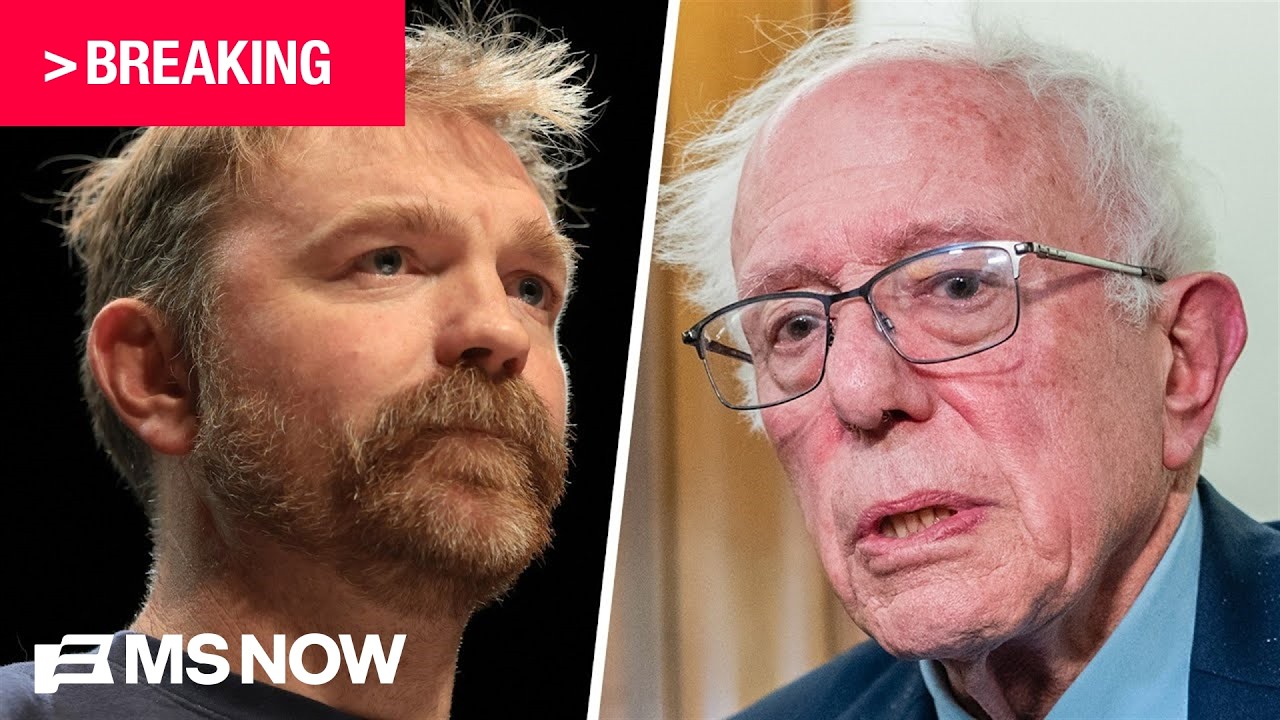

With less than a week before a critical ballot deadline, Maine Democrats are in full crisis mode asking the same urgent question: what happens if Plattner drops out of the Maine Senate race? If Plattner removes himself from the ballot by the July 13th 5 p.m. deadline, the Maine Democratic Party gains the authority to appoint his replacement — a process that is already being described by national Democratic sources in one word: messy. The next deadline, July 27th, sets the outer limit for that decision, leaving the party a brutally short window to find, vet, and rally behind a new candidate capable of taking on incumbent Republican Senator Susan Collins.
The situation is not just a logistical emergency. It is, as Democratic strategist Julie Raginski put it bluntly, "a problem of the Democratic Party's own making." Allegations against Plattner were not new. Women had come forward previously, and party leaders — including prominent progressive voices — chose to look the other way. Now, with the general election approaching, Democrats are paying the price for that silence.
 00:45
Democratic strategist Julie Raginski explains how repeated warnings about Plattner were ignored by party leaders
Watch at 00:45 →
00:45
Democratic strategist Julie Raginski explains how repeated warnings about Plattner were ignored by party leaders
Watch at 00:45 →
What Happens If Plattner Drops Out of the Maine Senate Race?
The mechanics of Plattner's potential exit hinge on two hard deadlines. The first is July 13th at 5 p.m. — the cutoff by which Plattner must formally remove his name from the ballot. If he meets that deadline, the Maine Democratic Party takes over and selects his replacement through an internal process. The second deadline is July 27th, by which point a new nominee must be confirmed.
What happens between those two dates is still very much up for debate. Options being floated include a mini-convention held the weekend before the July 27th deadline, or some alternative mechanism that gives either voters or the party apparatus a formal say in who emerges as the nominee. One significant tension driving this conversation: Democratic insiders close to the former Plattner campaign are wary of simply anointing a replacement. After the backlash over how Kamala Harris ascended to the top of the Democratic ticket in 2024 without a primary vote, party operatives are hypersensitive to the optics of another undemocratic-looking selection process.
Adding to the urgency, the DSCC and outside Democratic Senate groups have made clear they will not pour more money into Maine without a credible new candidate. As MSNBC congressional reporter Ali Vitale noted, "the party needs to effectively start from zero" — and without fresh investment, Democrats lose even footing against Collins before a single vote is cast.
03:10
MSNBC's Ali Vitale reports from Maine on the two critical ballot deadlines facing Maine Democrats
Watch at 03:10 →
Who Could Replace Plattner as Maine's Democratic Candidate?
There are roughly a half-dozen names circulating in Democratic text threads and strategy calls, though the field is far from settled. Two names have risen to the top of early discussions:
- Troy Jackson — A former Maine state legislator who ran for governor and is considered a known quantity within state Democratic circles. His prior campaign means he has some infrastructure and name recognition already built.
- Nirav Shah — A former Maine health official who has been publicly advocating for a debate or town hall format to give potential replacements a chance to make their case to voters and the party before a nominee is chosen. Shah's push for a public process reflects broader anxiety about the anointing problem.
Other names are in circulation but have not been publicly confirmed. The gubernatorial primary field is seen as a natural talent pool because those candidates have already undergone some level of public vetting — a critical factor given how badly the lack of vetting hurt the party with Plattner.
What Are the Allegations Against Plattner?
Multiple women came forward with allegations against Plattner before the current crisis, and those early warnings were not acted upon by party leaders. The specific nature of the most recent allegations — which caused the latest round of reporting and ultimately triggered calls for him to step aside — were characterized on air as serious enough that even longtime Plattner supporters began to withdraw their backing within days.
Voters in Maine who had previously extended grace to Plattner based on his claim that he was a "changed man" began to reassess that position rapidly. As one Maine voter told MSNBC's Kevin Fry on the ground, "I thought he was going to do good, but I'm at the point where I'm starting to change my mind." That shift in voter sentiment, combined with the formal withdrawal of support from major figures like Senator Bernie Sanders, effectively ended whatever runway Plattner had left.
06:30
Maine voters on the ground react to the latest Plattner allegations and what they want next
Watch at 06:30 →
Why Did Bernie Sanders Back Plattner — and Why Is He Now Calling Him to Step Aside?
Sanders was one of Plattner's earliest and most prominent validators, lending the candidate credibility within progressive circles and helping him win the Democratic primary. That early endorsement is now a source of significant embarrassment. Raginski and others have pointed out that previous allegations against Plattner were available for anyone paying attention — but figures like Sanders, Elizabeth Warren, and Ro Khanna chose to dismiss or overlook them in the name of backing what they saw as an authentic, outsider progressive candidate.
Sanders issued a statement reading, in part, that "in light of these serious allegations, we've recommended that he step aside" — a notable reversal that underscores just how untenable Plattner's position has become. The Sanders statement matters both as political cover and as a signal to the broader progressive base that resistance to removing Plattner is no longer a viable position.
Can Democrats Still Beat Susan Collins in Maine?
The honest answer is: it's possible, but significantly harder now. Collins is a formidable incumbent who has held her seat since 1996 — the same year she first won election even as House seats across the country were flipping Democratic. She has only grown stronger since. And right now, she gets to sit back and watch Democratic chaos unfold without spending a dollar or taking a single risk.
Even if Democrats find a strong replacement candidate, that person will start from near zero in terms of fundraising, name recognition as a Senate candidate, and campaign infrastructure. Collins, by contrast, is a known quantity with a well-funded operation. Democrats will also have to contend with a fractured base: the Plattner saga has exposed the fault line between the Sanders progressive wing and the Schumer establishment wing, and whoever emerges as the new nominee will have one faction or another unhappy about the process.
That said, Maine voters have shown interest in the issues Plattner was running on, and the underlying political environment is not unfavorable to Democrats. A well-vetted candidate who can unify the party quickly still has a path — it just got dramatically narrower.
How Does the Plattner Fallout Affect Democrats' Path to Senate Control?
Maine was widely considered one of Democrats' clearest pickup opportunities in 2026. Strip that away, and the math to retaking the Senate gets genuinely difficult. As the panel laid out, the rough Democratic map to a majority ran something like this:
- Jon Ossoff wins Georgia — gets Democrats to 47
- Roy Cooper wins North Carolina — gets to 48
- Maine pickup — gets to 49, one seat from a tie or majority
Without Maine, Democrats are left asking hard questions about whether they can rely on Texas, a rerun of Sherrod Brown's Ohio magic, or a long-shot win in Alaska. None of those paths are impossible, but all of them are harder than a well-run Maine campaign against a senator who has drawn Democratic challengers before.
Raginski's warning is blunt and worth taking seriously: "Everybody's got to put their stuff aside, vet whoever's next, and stop with the purity tests." The internal ideological battles that elevated an under-vetted candidate in the first place are now threatening the party's ability to win a seat that was genuinely in reach. If Democrats can't consolidate quickly behind a credible new candidate, they may be saying hello to Susan Collins for another six years.