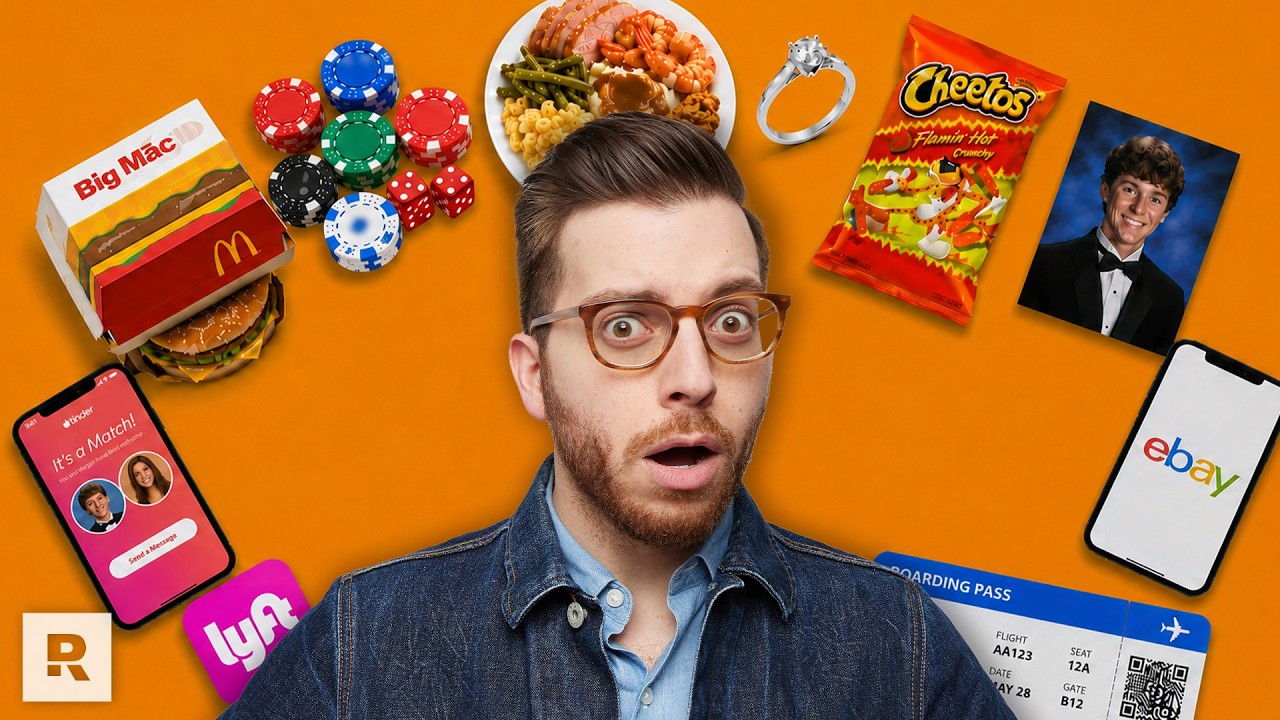

Somewhere between the $5.39 Quarter Pounder meal and the $2,400 Bruno Mars front-row seat, something went wrong. Prices across nearly every category of everyday spending have outpaced wages, shrunk in size, and multiplied in hidden fees. What follows is a breakdown of thirteen things that once delivered real value — and why they've quietly become financial traps.
Food and Dining
Fast Food
Fast food was never gourmet, but it was cheap. That trade-off no longer exists. A Quarter Pounder with cheese meal has gone from $5.39 to roughly $11.99 — a 122% price increase. You're now paying restaurant-level prices to eat in your car. The industry shifted from selling cheap meals to selling convenient meals, and convenience commands a premium. Even a kids' meal outing at Chick-fil-A can run $20 or more for two people.
Food Trucks
Food trucks once offered interesting, affordable street food. The experience remains — the affordability doesn't. Rising fuel costs, labor, supplies, and truck maintenance have pushed prices to sit-down restaurant territory, except you're standing on a sidewalk with no air conditioning. A small bowl of food at a food truck outside a sporting event can easily run $20. These are often genuine small businesses absorbing real inflation, which makes it easier to understand — but not much easier to stomach.
Snacks and Chips
Flaming Hot Cheetos that once cost $2.29 for a large bag now run $4 to $6 depending on size. A 14-ounce bag of Doritos from Walmart has gone from $3.98 to $5.94. The price goes up; the bag size goes down. This is textbook shrinkflation — charging more for less while the packaging stays roughly the same size, mostly filled with air.
Entertainment and Streaming
Netflix and Streaming Subscriptions
Netflix came close to ending piracy by making legal streaming so cheap and convenient — $8 a month for nearly everything — that there was no reason to bother. Then original content production costs soared, every major studio launched its own platform, and prices climbed. Today, a premium Netflix plan without ads costs around $27 a month. Add Disney+, Hulu, and HBO Max and you're spending $50 to $70 monthly on streaming alone. The irony is that fragmentation has made piracy appealing again.
Movie Theaters
A family trip to the movies now costs serious money. Two tickets plus concessions can easily exceed $60. The kicker: that same movie is often available on a streaming service within three to four weeks of release. Meanwhile, a decent flat-screen TV and surround sound system can be had for under $500. Theaters make most of their margin on concessions, not tickets — which is why a $16 ticket comes with an $8 soda. Discount programs and membership cards help, but the value equation has fundamentally shifted toward staying home.
 08:45
Breakdown of movie ticket prices by state, with Wyoming at $9 as the cheapest
Watch at 08:45 →
08:45
Breakdown of movie ticket prices by state, with Wyoming at $9 as the cheapest
Watch at 08:45 →
Concert Tickets and Ticketmaster
Ticketmaster began as a genuine convenience — buy tickets from an outlet instead of standing in line at the box office. Today, its service fees run 20 to 40% on top of the face value of the ticket. A $150 ticket becomes $200 before you've found parking. In 2024, the Department of Justice sued Live Nation-Ticketmaster for monopolistic practices. In April 2026, a federal jury agreed the company held a monopoly and violated antitrust laws. The ruling hasn't meaningfully changed pricing. Front-row seats to major artists now routinely exceed $2,000.
Technology and Subscriptions
Home Appliances
Your grandmother's avocado-green refrigerator from 1974 might still be running. Appliances built in that era were largely mechanical and lasted 30 to 50 years. Today's average lifespan for a major home appliance is 10 years or less. Manufacturers stop producing replacement parts within three to five years, making repairs impossible and forcing consumers to replace rather than fix. The addition of smart technology — apps, notifications, little completion jingles — adds more components that can fail while also driving up replacement costs when they do.
This is planned obsolescence: products engineered to have a limited lifespan so consumers must buy the next version. It applies equally to laptops, smartphones, and kitchen appliances. The defensive move is to research thoroughly before buying (Consumer Reports is useful here), buy used when possible, and resist upgrading until something actually breaks.
Online Courses
Online learning was once a genuinely democratizing force — affordable, accessible education from real experts. That category has been colonized by social media personalities selling $997 courses on how to make money running Airbnbs, which is primarily how they make their money rather than through Airbnbs. The actual course is often just a funnel to a more expensive mastermind program or a $5,000 coaching package. The content is thin; the sales funnel is elaborate. Approach any course sold primarily through Instagram ads or webinars with serious skepticism.
Dating Apps
Dating apps have evolved into something closer to a gambling product than a matchmaking service — optimized for engagement and subscription revenue rather than helping people find partners. Running multiple apps with premium subscriptions can cost $60 to $70 a month with no guarantee of a single date. Roughly 84% of Gen Z and millennial users report being ghosted on these platforms. The business model benefits from keeping users searching, not from helping them succeed.
Travel
Las Vegas
Vegas was once genuinely affordable: dirt-cheap hotel rooms, $7.99 buffets, free cocktails on the casino floor, and no resort fees. Most of that is gone. Of the 50-plus casino buffets that existed a few years ago, only about eight remain, with prices ranging from $20 to $100 per person. Resort fees are now standard and can add $40 to $60 per night to a hotel bill that already looks deceptively cheap online. Vegas was never really about being cheap — it was about perceived value. That perception has worn away.
Airline Tickets
US airlines collected over $7 billion in baggage fee revenue in 2024 alone. The unbundling of air travel — charging separately for checked bags, seat selection, boarding priority, and legroom — means the advertised fare is rarely the actual cost. Basic economy fares strip out everything that made flying tolerable: meals, advance seat selection, and the ability to bring a normal-sized bag without a fee. The proliferation of carry-ons in response to baggage fees has created overhead bin chaos, which leads to gate-checked bags anyway.
Marketplaces and the Gig Economy
Selling on eBay
eBay launched as a direct peer-to-peer marketplace where sellers kept most of what they earned. Today, eBay charges 13 to 15% of the total transaction value — including the item price, shipping costs, and sales tax — plus a flat per-order fee. For casual sellers clearing out a garage, those fees are painful. For high-volume sellers, the time and effort required to maintain an eBay operation may no longer justify the margins.
Rideshare Driving
Early Uber and Lyft drivers in many markets could earn meaningful side income. Platforms attracted drivers with bonuses, then gradually reduced per-ride pay and increased their own cut as driver supply grew. Today, after accounting for higher gas prices, additional insurance requirements, and vehicle wear and tear, the effective hourly rate for rideshare driving in most markets barely clears minimum wage. Delivery-based gigs (DoorDash, Instacart) remove the passenger variable and may offer better economics in some areas, but face the same structural pressure over time.
Miscellaneous
Lab-Grown Diamonds vs. Natural Diamonds
Natural diamonds carry an extraordinary markup relative to their actual scarcity now that lab-grown diamonds are widely available. Lab-grown stones are chemically and visually identical to natural diamonds — indistinguishable to the naked eye and even to most gemological testing. Forty-five percent of engagement ring purchases now involve lab-grown diamonds. The premium on natural diamonds is almost entirely a marketing construct at this point.
School Photos
Before digital cameras, professional school photos filled a genuine gap — quality photography required equipment and expertise most families didn't have. Today, a smartphone takes better photos than many professional portrait studios. Yet school photo packages still run $80 or more per child. For two kids over 13 years of school, that's potentially $1,000-plus. One useful reframe: a portion of that revenue goes directly to the school. Whether that justifies the cost depends on how much you value the specific format of the annual portrait.
What This Means for Your Spending
The through-line across all of these is the same: companies have identified where consumers feel trapped by convenience, habit, or social expectation — and have priced accordingly. The counter-strategy is deliberate friction. Research purchases before committing. Use things longer than feels comfortable. Buy used. Question whether a subscription is still delivering value relative to its current price, not the price you signed up at. The goal isn't to opt out of everything; it's to make sure you're paying for things that actually matter to you, not things that used to matter before the price doubled.