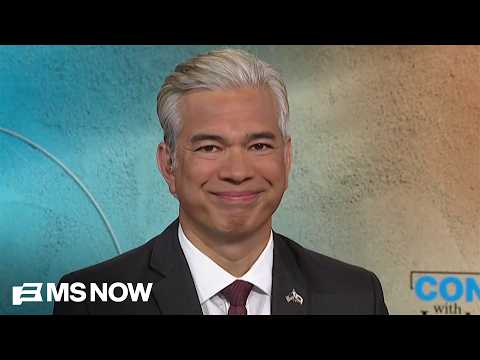
A coalition of 12 states is suing to block the Paramount-Warner Bros. merger, and the reasons are staggering in scope. California Attorney General Rob Bonta led the charge at a press conference, announcing the filing of a complaint in the Northern District of California challenging the proposed $110 billion merger of Paramount, Skydance, and Warner Bros. Discovery. The states argue this deal — the largest merger in Hollywood history — would extinguish competition, raise prices, reduce content quality, and produce fewer movies and TV shows for American audiences.
Why Are 12 States Suing to Block the Paramount Merger?
The lawsuit, filed in the Northern District of California, centers on one core claim: this merger breaks antitrust law and harms consumers. Attorney General Bonta was direct and unambiguous at the press conference. "There is no debate here," he said. "This merger would snuff out competition, drive up prices, diminish content quality, and produce fewer movies and shows each year."
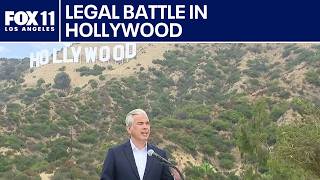 00:45
California AG Rob Bonta announcing the multi-state lawsuit against the Paramount-Warner Bros merger at a press conference
Watch at 00:45 →
00:45
California AG Rob Bonta announcing the multi-state lawsuit against the Paramount-Warner Bros merger at a press conference
Watch at 00:45 →
The coalition argues that combining two of the five largest film distributors and two of the five largest basic cable channel owners would give the new combined entity an almost unassailable grip on American entertainment. The resulting company would control:
- Nearly one-third of all theatrical motion pictures released in the U.S.
- Nearly one-third of all basic cable programming.
- 50 of the most popular cable channels in the country.
- More than 30% of blockbuster or tentpole films.
And when you zoom out further, just four distributors combined would control more than 90% of blockbuster movies — the big-budget productions that drive people to theaters and shape pop culture. That level of market concentration is precisely what antitrust law was designed to prevent.
How Big Is the Paramount-Warner Bros Deal?
To understand why this lawsuit is such a big deal, you first have to grasp the sheer scale of what's being proposed. At $110 billion, this would be the single largest merger in Hollywood history — dwarfing previous media megadeals. The transaction involves three major players: Paramount Pictures, Skydance Media (led by David Ellison, son of Oracle billionaire Larry Ellison), and Warner Bros. Discovery.
02:30
Bonta detailing the market share the merged company would control across film and cable TV
Watch at 02:30 →
Bonta took a pointed jab at David Ellison during the press conference. "David Ellison may think this is an offer he can't refuse," he said, borrowing a line straight from The Godfather — a Paramount classic — "but I'm here to say he's wrong."
The combined company would span news, sports, entertainment, kids, family, factual, and lifestyle cable content — essentially a full-spectrum media empire with no real rival capable of keeping up in the basic cable space.
Would This Merger Drive Up Your Movie Ticket Prices?
This is the question most Americans are probably asking, and the answer from the states' attorneys general is a clear yes. Here's the chain reaction they're warning about:
- Movie theaters would lose their negotiating power with the merged company.
- Theaters would have to pay more to license films for their screens.
- Theaters would have fewer discounts to offer and fewer new releases to show.
- To cover costs, theaters would likely be forced to raise ticket prices.
- With tighter budgets, theaters would also cut back on improvements — think fewer premium screens, less comfortable seating, and reduced concession options.
In short, moviegoers would pay more for a diminished experience. And with fewer competing studios driving each other to create their best work, the movies themselves could suffer in quality too. As Bonta noted, legendary films like Titanic, The Godfather, The Matrix, Harry Potter, Lord of the Rings, and Casablanca all emerged from fierce studio competition. "Who knows what those movies would have been like if not for the competition?" he asked.
04:10
Bonta explaining the direct impact on movie theaters and ticket prices for everyday Americans
Watch at 04:10 →
What Law Makes This Merger Illegal?
The legal foundation of the lawsuit is the Clayton Act, a federal antitrust statute that has been on the books for over 100 years. The Clayton Act specifically prohibits mergers that may substantially lessen competition or tend to create a monopoly.
Bonta and the coalition argue this deal fails that test on multiple fronts — film distribution, theatrical exhibition, and basic cable programming all show signs of significant competitive harm if the merger goes through. The complaint was filed in the Northern District of California, with the DOJ's antitrust law section working alongside the coalition of state attorneys general.
"This deal is illegal under the Clayton Act," Bonta said plainly. "That is a law that has been on the books for over 100 years. It prevents mergers that may substantially lessen competition or tend to create a monopoly."
How Would the Merger Change Your Cable TV Experience?
It's not just movie theaters that would feel the squeeze. Basic cable TV distributors — the companies that carry channels in your cable package — would also lose significant leverage. The merged company would own such a dominant share of popular cable channels across every category that distributors would essentially have no choice but to accept the merged company's terms.
The alternative? Getting blacklisted. Distributors that push back could find themselves cut off from some of the most-watched cable channels in the country — a catastrophic outcome that would force most to fall in line. The result for consumers: higher cable bills, less diverse programming, and fewer incentives for the dominant company to invest in new or innovative content.
Who Is Leading the Charge Against This Merger?
California Attorney General Rob Bonta is spearheading the coalition, which includes attorneys general from 11 other states. Bonta framed the lawsuit not just as a legal matter but as a cultural and economic one, arguing that film and entertainment occupies a unique place in American life.
"Movies and TV shows are not run-of-the-mill commodities," he said. "The film and entertainment industry doesn't exist just to buy and sell them. It exists to tell stories, to spark ideas and curiosity, to inspire and sometimes to inform. To open our eyes to new perspectives we may have never considered before."
Bonta also highlighted the economic stakes for California specifically, noting that the entertainment industry is "a source of immense pride and employment up and down the state." The DOJ's antitrust division has been closely involved, with Bonta praising their team for working "overtime to keep prices down for Californians and Americans."
How Did Paramount Respond to the Antitrust Lawsuit?
Paramount was quick to fire back. In a statement released shortly after Bonta's press conference, the company said the lawsuit "distorts settled antitrust law" and is based on a "misrepresentation of competition" in the media industry.
The company clearly intends to fight this in court rather than walk away from a deal of this magnitude. With $110 billion on the table and Hollywood's power structure in the balance, this legal battle is expected to be long, expensive, and closely watched by media companies, regulators, and consumers alike.
What happens next will help define the future of American entertainment — who controls it, how much it costs, and what kinds of stories get told. Stay tuned.