
When a video hits 1 million views in 24 hours and carries a 98.9% like-to-dislike ratio, you'd expect the platform to push it further. Instead, a yellow dollar sign appeared on the YouTube dashboard — the demonetization flag — and the video's growth stopped dead. YouTube demonetization doesn't just cut off ad revenue; it effectively removes a video from the recommendation engine entirely. Viewers can still find it by searching directly, but without algorithmic promotion, a video that was breaking records becomes nearly invisible overnight. That's the real punishment — and it's one most people don't fully understand.
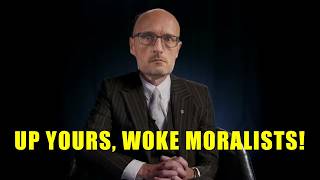 00:42
The yellow dollar sign demonetization flag appearing on the YouTube dashboard — the moment reach effectively stopped
Watch at 00:42 →
00:42
The yellow dollar sign demonetization flag appearing on the YouTube dashboard — the moment reach effectively stopped
Watch at 00:42 →
This is exactly what happened to a detailed 37-minute analysis of the Epstein files, specifically focusing on FBI redactions that appeared to violate a transparency law passed by Congress. No profanity, no violence, no graphic imagery — just documented facts, timelines, and procedural analysis. And yet, after a human review was requested, YouTube confirmed the video contained "controversial topics" and could not be made advertiser-friendly. No specific timestamp was flagged. No path to appeal was offered.
How Does YouTube Demonetization Kill Your Video's Reach?
Most people assume demonetization simply means a creator stops earning money from ads on a specific video. The financial hit is real, but it's almost secondary. The deeper damage is algorithmic. YouTube's recommendation system is engineered to maximize the platform's ad revenue. When a video is flagged as unsuitable for advertisers, the system has no financial incentive to recommend it — so it doesn't. The video gets quietly deprioritized across suggested feeds, homepages, and related content panels.
In practical terms, a video that was gaining hundreds of thousands of views per day can drop to near zero almost immediately after demonetization. Loyal subscribers who actively search for new uploads will still find it. Everyone else won't. It's a form of soft suppression that doesn't require the platform to delete anything — the content stays up, the creator can't claim censorship in the traditional sense, and yet the audience reach collapses.
- Before demonetization: Algorithmic promotion drives discovery across recommended feeds
- After demonetization: Video is only findable through direct search or subscriber loyalty
- Net effect: A video breaking records one day becomes practically invisible the next
What Is 'Proxy Censorship' and How Does YouTube Use It?
Researchers have a name for this mechanism: proxy censorship. A 2022 study on YouTube's content moderation found that demonetization functions as effective censorship because it removes the financial incentive for creators to cover sensitive topics — without requiring the platform to ban anything outright. It's legally cleaner, harder to challenge, and arguably more effective at shaping what gets made in the first place.
The study's machine learning models found something striking: the algorithm appears to weight channel-level trust signals — like subscriber count and upload history — more heavily than the actual content of any given video. In other words, a large established channel covering the exact same topic with identical language may face no demonetization at all, while a smaller channel gets flagged immediately. This was confirmed anecdotally when a creator with a significantly larger channel reported no issues with multiple Epstein-related videos, noting only that he avoids profanity and masks sensitive terms.
04:15
Comparison of like-to-dislike ratio (98.9%) at the time of demonetization — evidence audiences found the content valuable
Watch at 04:15 →
The implication is troubling: the system isn't consistently evaluating content on its merits. It's making probabilistic judgments based on channel reputation — which means newer or independent voices face a structurally higher barrier when covering controversial-but-legitimate topics.
Why Was an Epstein Files Analysis Video Demonetized?
The video in question was a sober, 37-minute documentary-style breakdown of the publicly released Epstein files. It examined specific FBI redactions, cross-referenced them with the congressional transparency law under which the documents were released, and traced the timeline of Epstein's reported criminal activity back to the 1970s and his first FBI report in 1996. The content covered systemic failures across multiple administrations — not a partisan attack on any single party.
At the time of demonetization, the video had 90,000 likes and a 98.9% approval rating from viewers — statistically higher than most content on the channel. The audience, supposedly the group advertisers need protecting from, clearly found the content valuable and inoffensive. Yet YouTube's automated system, and subsequently its human review team, classified it as unsuitable for advertisers with no specific justification beyond "controversial topics."
Contrast this with how major cable news networks operate. Advertisers routinely buy spots during broadcasts covering war, political corruption, and violent crime. The same advertisers, through YouTube's automated system, are apparently being "protected" from a calm, well-sourced legal and procedural analysis of government documents. The inconsistency isn't incidental — it's structural.
What Is Algospeak and Why Are Creators Forced to Use It?
The pressure to avoid demonetization has given rise to a genuinely strange linguistic phenomenon: algospeak. Creators have developed a coded dialect designed to slip past automated content filters. Terms get replaced with euphemisms — "unalive" instead of suicide, "SA" instead of sexual assault, deliberately misspelled words, or vague substitutions like "the thing" instead of naming a specific subject.
09:30
Examples of algospeak substitutions creators use to avoid automated demonetization filters
Watch at 09:30 →
The result is a degraded information environment. Serious analysis gets wrapped in deliberately obscure language that reduces clarity, confuses general audiences, and undermines the credibility of the content itself. A medical professional, a journalist, or a researcher using correct terminology gets penalized. Someone using clumsy workarounds gets through. The algorithm is, in effect, rewarding imprecision and punishing accuracy.
In the Epstein analysis, correct legal and procedural terminology was used throughout — because the subject matter required it and the audience deserved it. The system responded with a demonetization flag. This is the trade-off creators are forced to navigate: speak clearly and get suppressed, or speak in code and stay funded.
Is YouTube Suppressing Independent Investigative Journalism?
The evidence doesn't point to a coordinated conspiracy to silence specific stories. What it points to is something arguably more concerning: a system that produces suppression as a byproduct of its design, without anyone needing to make a deliberate decision to censor anything.
Independent video journalism offers something traditional media increasingly struggles to deliver: depth. A cable news segment runs four minutes. A newspaper article runs 700 words. A long-form video analysis can run 37 minutes and walk an audience through complex timelines, procedural details, and cross-referenced evidence in a way that fundamentally changes how a viewer understands a story. When that format gets financially penalized, it doesn't just hurt individual creators — it degrades the quality of public information on complex subjects.
At the same time, mainstream media faces its own structural pressures. Networks have paid millions in legal settlements with politicians, effectively purchasing the right to operate. Investigative segments have been pulled when subjects refuse to comment — a standard that, if applied consistently, would hand any government a veto over any story it finds inconvenient. Corporate mergers hang in regulatory limbo with editorial independence reportedly on the table as a negotiating chip.
Independent creators were supposed to fill this gap. When the dominant platform for independent video journalism taxes serious accountability reporting with reduced revenue and reach, the gap doesn't get filled — it gets wider.
What Was the YouTube Adpocalypse and Why Does It Still Matter?
The roots of today's demonetization system trace back to what became known as the YouTube Adpocalypse. After Logan Paul's infamous Japanese forest video triggered a mass advertiser exodus, major brands suspended YouTube campaigns entirely. The calculation was simple: appearing next to offensive content risked brand association in viewers' minds, regardless of intent.
YouTube responded by dramatically tightening creator guidelines. To monetize content, creators had to meet advertiser-friendly standards — and the definition of "advertiser-friendly" was encoded into an automated system that has been expanding its reach ever since. The problem is that a system designed to keep ads away from genuine shock content has evolved into a blunt instrument that penalizes serious journalism under the banner of brand safety.
Educational history channels get demonetized for two-second clips of WWII-era flags. Channels covering significant news events get flagged for naming them. The filter cannot distinguish between content that normalizes harm and content that analyzes it — and that failure has real consequences for what information reaches the public.
Why Has US Press Freedom Dropped to Rank 57 Globally?
The United States recently fell to 57th out of 180 countries in the global press freedom index. That number reflects a convergence of pressures: legal threats to broadcast licenses, political leverage over regulatory approvals for media mergers, increased physical incidents against journalists during civil unrest, and the algorithmic suppression of independent digital journalism.
YouTube operates globally. In countries with heavy state censorship, citizens often use VPNs to access the platform as one of their few windows into uncensored information. If the platform itself begins filtering serious content to satisfy Western political or advertiser pressures, it quietly aligns with the goals of the authoritarian systems those users are trying to circumvent. The stakes of algorithmic content moderation aren't local — they're global.
A yellow demonetization badge might seem trivial compared to journalists facing arrest or worse in other parts of the world. But soft suppression — automated, deniable, financially motivated — can be just as effective at shaping public discourse over time. The mechanism is quieter. The result, a public square where accountability journalism is structurally disadvantaged and sanitized entertainment thrives, may end up looking the same.