
The Trump DOJ is actively blocking the Epstein files investigation — and the evidence is now impossible to ignore. Despite the passage of the Epstein Files Transparency Act, despite a federal court order, and despite more than five months of formal requests from the New Mexico Department of Justice, the Trump administration's Department of Justice has turned over just 31 heavily redacted pages out of more than 6 million identified records. The Southern District of New York went further, calling New Mexico officials directly to tell them they would not cooperate at all. This is the story of how that cover-up unfolded — and who is fighting to stop it.
Why Is the Trump DOJ Blocking the Epstein Files?
The core question millions of Americans are asking is simple: if there's nothing to hide, why is the Trump DOJ refusing to release the Epstein files? The DOJ's own collection efforts under the Epstein Files Transparency Act identified more than 6 million total responsive records. Of those, approximately 3.5 million have been released to the public through an online portal — but they are so substantially redacted as to be, in the words of the New Mexico Attorney General, "functionally nonresponsive."
When New Mexico's state AG formally requested access to unredacted investigative records related to Jeffrey Epstein's Zoro Ranch, the federal government's response was stunning. After five months of sustained outreach, the US Attorney's Office for the District of New Mexico hand-delivered a production of just 31 pages — consisting almost entirely of documents already publicly released. Then the Southern District of New York called New Mexico officials directly and told them: we will not cooperate with your investigation. Not into Epstein. Not into anyone connected to Epstein.
Critics, legal analysts, and the New Mexico AG herself have characterized this as deliberate obstruction of a child sex trafficking investigation. The pattern of behavior — stonewalling, delay, token production, and outright refusal — points to a DOJ that is not investigating Jeffrey Epstein's crimes, but protecting those connected to them.
What Happened at Epstein's Zoro Ranch in New Mexico?
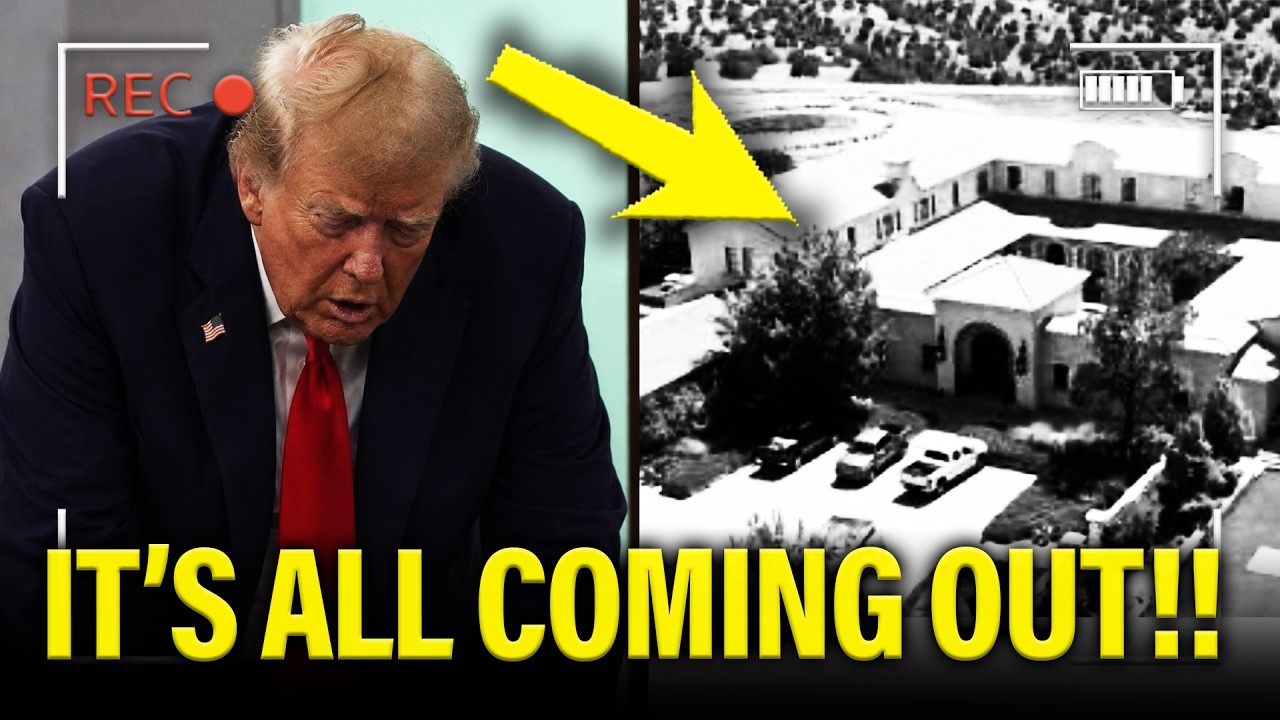
Jeffrey Epstein's Zoro Ranch, located in New Mexico, is at the center of the state's investigation. According to the New Mexico Department of Justice, the ranch was a primary site of sexual assault and potential murder. It is one of the key properties where Epstein's trafficking network allegedly operated, and it falls squarely within New Mexico's jurisdiction to investigate.
The DOJ previously refused to investigate the Zoro Ranch despite its significance. That refusal is what prompted New Mexico's Attorney General to begin formally requesting access to the federal government's investigative records — a process that started in February 2026 and has been stonewalled at every turn. New Mexico is not asking for a gift. They are asking for access to records the federal government already holds, subject to whatever security protocols the DOJ deems appropriate. That reasonable request has been met with silence, delays, and ultimately a flat-out refusal.
What Did the New Mexico AG's Letter to Todd Blanch Say?
In a scathing letter addressed directly to Acting Attorney General Todd Blanch, the New Mexico Department of Justice laid out a detailed five-month timeline of federal obstruction and issued a final demand: provide unredacted access to Epstein investigative records by July 31st, 2026, or face legal action.
The timeline is damning:
- February 13, 2026 — New Mexico sends initial written correspondence to the federal government.
- March 13, 2026 — A formal letter is sent.
- April 1, 2026 — A telephone conference with the Associate Deputy AG.
- May 3, 2026 — A comprehensive letter submitted again.
- May 29, 2026 — Written follow-up sent directly to Todd Blanch.
- June 4–5, 2026 — Formal meeting requests directed to DOJ leadership in DC.
- June 30, 2026 — Final written demand transmitted before pursuing legal remedies.
- July 10, 2026 — The federal office hand-delivers 31 pages, mostly already-public documents.
- July 13, 2026 — SDNY contacts New Mexico and refuses any further cooperation.
The letter states plainly: "Unredacted production is an investigative necessity, not an optional courtesy." New Mexico has made clear that absent compliance by the deadline, they will pursue every available legal remedy — without further notice.
What Is the Epstein Files Transparency Act and What Did It Require?
The Epstein Files Transparency Act, which became law on December 19th, 2025, was designed to force the federal government to release records related to Jeffrey Epstein's trafficking network. Under the law, the DOJ was required to identify and produce responsive records. The DOJ identified over 6 million such records — and has since used every procedural tool available to avoid meaningful compliance.
Even with the law on the books, the Trump administration has treated it as optional. Todd Blanch's DOJ has redacted documents so heavily they cannot be used for law enforcement purposes, refused to produce handwritten interview notes, and asked courts for repeated stays to delay compliance. A federal judge in Washington DC, Judge Emmet Sullivan, has twice rejected the DOJ's jurisdictional arguments and ordered production. Blanch's DOJ responded by reinterpreting the court's production order as an invitation to explain why they couldn't comply — rather than actually complying.
What Is Katie Fang's Epstein Transparency Act Lawsuit?
Attorney and Midas Touch Network host Katie Fang filed a landmark lawsuit under the Epstein Files Transparency Act at the end of April 2026, demanding that the Trump DOJ produce the documents the law requires. Judge Emmet Sullivan sided with Fang, ordering the DOJ to turn over a privilege log, a redaction log, handwritten interview notes, and the names of co-conspirators referenced in the Epstein files.
The Trump DOJ's response? Todd Blanch told the court the handwritten notes were "substantially similar" to official 302 interview reports and asked the court to simply trust him. Fang's response was direct: "The law doesn't have a 'trust me, bro' exception." She is now pursuing a motion to enforce the court's order and is seeking a $1,000-per-day fine against Blanch for non-compliance. Contempt proceedings — potentially including criminal contempt — are the next step if enforcement fails.
Fang has described the process as eating an elephant one bite at a time, pushing the case forward as fast as court rules allow. Her message to supporters is clear: the legal process requires specific steps before seeking incarceration for contempt, but those steps are being taken methodically and deliberately.
Who Is Todd Blanch and Why Are Survivors Saying Vote No?
Todd Blanch is Donald Trump's pick for Attorney General of the United States, and his confirmation hearing has become a flashpoint for the Epstein cover-up debate. Epstein survivors released a video ahead of the hearing laying out a brutal indictment: 1,200 victims, 6 million files, and a mountain of evidence — yet Blanch has declared there are no investigative leads.
Survivors have pointed out that Blanch met with convicted sex trafficker Ghislaine Maxwell for nine hours while refusing to meet with a single survivor for even nine minutes. At a May 2026 Senate hearing, Blanch promised senators he would meet with Epstein survivors if they arranged it. Senators Murray and Van Hollen took him at his word, provided contact information, and followed up repeatedly. As of the confirmation hearing, not a single survivor had received any outreach from Blanch's office.
Reporting has also revealed that Blanch was present at multiple meetings in the White House Situation Room with Trump's closest advisers — meetings focused, according to sources, on minimizing political damage to Trump from his personal connection to Jeffrey Epstein rather than pursuing justice for victims.
What Did Epstein Survivors Say at Blanch's Confirmation Hearing?
The voices of survivors have been central to the push against Blanch's confirmation. In a video released before the hearing, survivors described the real-world harm caused by the DOJ's mishandling of Epstein records: names released, phone numbers published, nude images of victims made public, and family safety put at risk — all as a result of how the DOJ has managed the release process.
Survivor Jess Michaels spoke directly about the absurdity of the DOJ's claimed conclusions: you cannot close an investigation when you have never once sat down with the people who survived it. The demand from survivors is unified and unambiguous — vote no on Todd Blanch for Attorney General of the United States.
The New Mexico AG's lawsuit deadline, Katie Fang's enforcement motion, and the Senate confirmation hearing are all converging at the same moment. Whether the system holds those responsible accountable — or continues to shield them — may depend on what happens in the days and weeks ahead.