
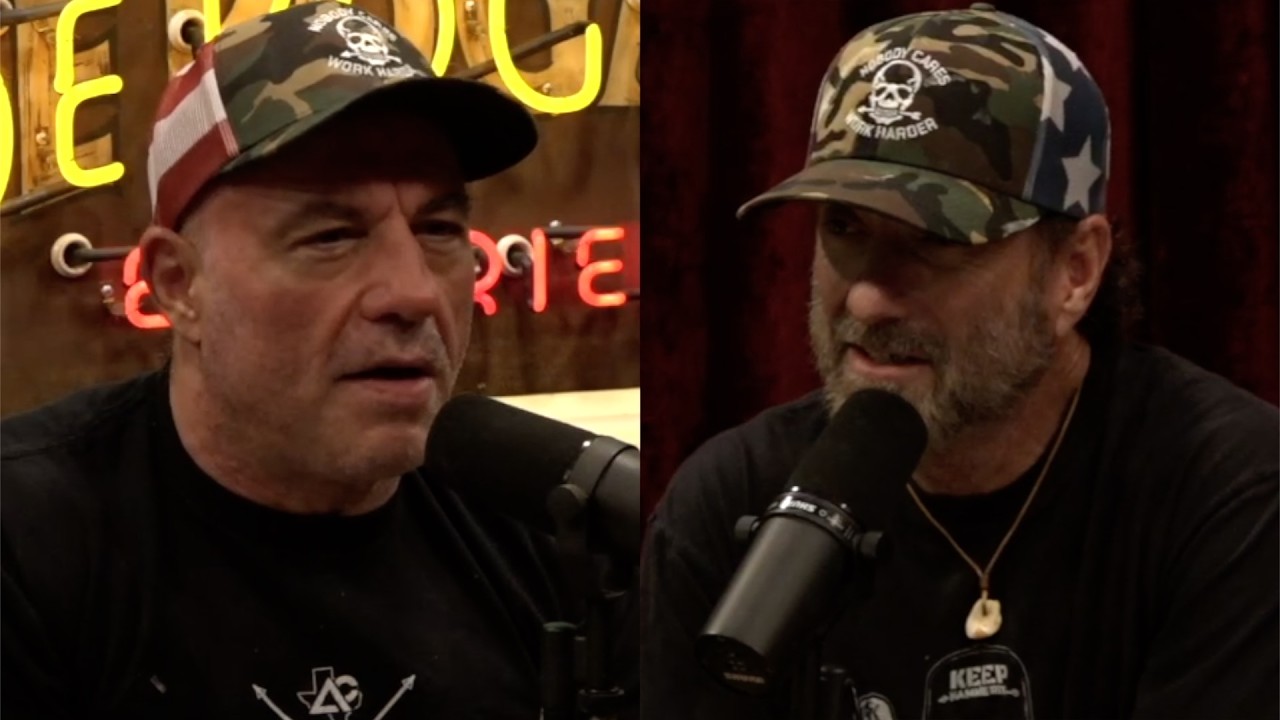

Hosting a UFC card at the White House is either the boldest move in combat sports history or a masterclass in political distraction—probably both. Joe Rogan and his guest wrestled with that tension at length, ultimately landing somewhere honest: the card looks incredible, the setting feels wrong, and the whole thing is probably going to be must-see television anyway.
Bread, Circuses, and the Distraction Machine
The conversation opened not with the fights, but with a pointed observation about how the news cycle operates. Whether it's Epstein files, UAP disclosures, or a championship fight on the White House lawn, the effect is the same—competing headlines fragment public attention and make sustained pressure on any single issue nearly impossible.
Rogan voiced sympathy for a position held by fighter Bryce Mitchell: it is not the government's job to entertain the public. "We hire the government to run our country, not entertain us," he said. That framing colored everything that followed. The UFC at the White House is genuinely exciting. It is also, structurally, a spectacle that benefits those in power regardless of how the fights go.
Why Fighting Outdoors in Washington Is a Bad Idea
Setting aside the politics, Rogan's core objection is athletic. World championship fights, he argued, should be contested in controlled environments—climate-regulated arenas where weather, humidity, and bugs have no bearing on the outcome of a career-defining contest.
The practical concerns stack up fast:
- Heat and humidity will dramatically reduce endurance for both fighters.
- Sweat makes grappling unpredictable—wrist control, a foundational element of top-and-bottom ground fighting, becomes nearly impossible on a slick opponent.
- Submissions could go either way. A rear naked choke can actually cinch tighter on a sweaty neck, sliding directly under the chin. But most grapplers would strongly prefer dry conditions and a 72-degree arena.
- Weather is a genuine wildcard. Forecasts around fight time showed rain at 7 p.m. and thunderstorms earlier in the afternoon.
 12:30
Weather forecast graphic showing rain and thunderstorms around fight time
Watch at 12:30 →
12:30
Weather forecast graphic showing rain and thunderstorms around fight time
Watch at 12:30 →
Rogan made clear he is not rooting against the event. "Maybe after it's over, I'm like, 'They were right.'" But he also acknowledged the worst-case scenario plainly: lightning, canceled fights, and a televised disaster. A fighter's career is short. A loss under compromised conditions is still a loss on the record.
On the question of deliberate cheating through sweat: Rogan noted—without naming names—that fighters have historically soaked in baby oil for hours before bouts, allowing the oil to absorb into pores. Once they start sweating, the grease resurfaces and no towel-down makes a meaningful difference. Outdoor humidity introduces a version of that problem for every fighter on the card, unintentionally.
Ilia Topuria and the Fight That Actually Matters
Whatever the setting, the card itself is genuinely extraordinary. Rogan had spent the previous night watching a full retrospective of Ilia Topuria's UFC career and came away convinced the featherweight champion belongs in a serious GOAT conversation.
The numbers are hard to argue with. Topuria's last three victories came by knockout over:
- Max Holloway — widely considered one of the greatest featherweights ever
- Charles Oliveira — one of the most decorated submission artists in UFC history
- Alexander Volkanovski — the consensus greatest featherweight of all time
Knocking out all three, in succession, is one of the most remarkable résumés in the sport's history. What struck Rogan watching the career arc wasn't just the results—it was the visible improvement. Topuria entered the UFC already skilled. He kept getting better.
The matchup against Justin Gaethje is the fight Rogan most wants to see resolved. Gaethje carries a significant size advantage. Topuria carries momentum and a knockout percentage that has dismantled every stylistic argument thrown at him so far.
28:45
UFC promotional video highlighting Ilia Topuria's career knockouts
Watch at 28:45 →
Dana White, the Sphere, and Going Big
A brief note came up about CBS ultimately declining to air the event, citing the production plan to frame the fights around a narrative of American history—from colonization through the present. The card will air exclusively on Paramount+.
Rogan was characteristically direct about Dana White: whatever you think of the venue choice, the man has always gone big. The Sphere event in Las Vegas was another example—outrageously expensive, logistically absurd, artistically extraordinary. This feels similar: a one-time-only event that will be either legendary or a cautionary tale, with almost no middle ground available.
There is apparently also a rumor that Trump wants to leave the octagon in place after the event. Rogan suggested, half-joking, that having fighters train at the White House could be the next gimmick. At this point, it seems impolite to call anything impossible.
What This Moment Says About the Country
The conversation drifted toward broader terrain: the state of American politics, the pressures that erode well-intentioned administrations, and the specific policy losses that have frustrated people who voted for reform. Glyphosate came up as a concrete example—a widely used herbicide that critics argue poses serious health risks, and one where regulatory reform stalled under industry pressure despite momentum in other areas like food dyes and peptide policy.
Rogan's read on Trump himself was nuanced: personally charming to those in his orbit, genuinely enthusiastic about the country, but operating within a system that forces compromises and punishes internal dissent. "If you go against him in any way, you're gone" was the line that landed hardest—less as a criticism of the man than as a description of how power actually functions.
The UFC at the White House is, in miniature, a version of that same dynamic. It is entertaining. It might be historically significant. It serves multiple interests simultaneously. And it will probably be watched by more people than almost any sporting event in memory—including, loudly and resentfully, by everyone who hates it.




