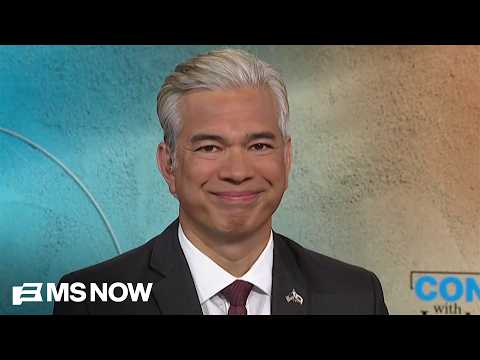
Why Did Graham Clemer Suspend His Maine Senate Campaign?
Graham Clemer suspended his Maine Senate campaign not because of the allegations made against him — which he flatly denies — but because the political establishment used those allegations to dismantle the structural foundation his campaign needed to function. In a raw and emotional statement, Clemer explained that his campaign was set to lose access to fundraising tools, voter data, and major donor networks, making it virtually impossible to run a competitive race against incumbent Republican Susan Collins. He was clear: this is not an admission of guilt. It is, he argues, the result of a system designed to crush movements like his the moment they begin to succeed.
Clemer also noted the timing was no coincidence. July 13th was the deadline for him to be officially certified as the Democratic nominee. The allegations surfaced in the final window when opponents could realistically force him off the ballot — a detail he believes is deeply intentional.
What Allegations Were Made Against Graham Clemer?
Clemer did not detail the specific nature of the allegations in his statement, but he described them as the worst thing that a person could be accused of. He said he learned about them through press inquiries, with no advance warning, no time for a proper investigation, and no opportunity to respond before corporate media and the political establishment had already rendered a verdict.
He was emphatic that the claims are entirely false: "The things that have been claimed did not happen. It's not real." His central argument was that in the American justice system, accusations are supposed to be the beginning of a process — not the end of one. Yet in political life, he says, the opposite often occurs: the accusation itself becomes the punishment, regardless of truth.
Clemer framed the allegations as a political weapon, timed strategically to do maximum damage before the July 13th certification deadline. Whether or not one accepts that framing, the practical consequences he described — losing fundraising platforms, data access, and donor commitments — represent a real and measurable political squeeze.
How Did the Establishment React to Clemer's Primary Win?
According to Clemer, the reaction from the Democratic establishment was swift and punishing. Major donor networks reportedly committed to spending no money in the Maine Senate race if Clemer remained the candidate. Party infrastructure that any Senate campaign depends on — voter data, fundraising access, coordinated campaign support — was being withheld or revoked.
Clemer argued this reveals something uncomfortable about the Democratic Party's priorities: that party insiders would rather see Republican Senator Susan Collins retain her seat than allow a grassroots, progressive outsider to represent Maine as a Democrat. That's a striking claim, and one that resonates with a broader frustration many progressive voters have expressed about the party establishment prioritizing control over winning.
- Fundraising access: Being cut off from platforms and networks essential to campaign finance.
- Voter data: Losing access to the data infrastructure campaigns rely on for targeting and outreach.
- Major donors: National donor networks pledging to sit out the race entirely if Clemer stayed in.
This kind of structural pressure, Clemer said, is how the political system ensures that movements like his don't survive — not through open debate, but through quiet institutional suffocation.
How Did Clemer Win Maine's Democratic Primary?
Clemer's primary victory was not a narrow squeaker. He won with what he described as the largest turnout in Maine primary history — more than 150,000 votes cast on June 9th. It was a decisive mandate from Maine Democratic voters who chose a candidate explicitly running against the political establishment, against the donor class, and against the entrenched forces that Clemer argued have failed ordinary Americans.
His campaign was built on a grassroots model: small donors, volunteers, and a message focused on universal healthcare, ending U.S. involvement in foreign conflicts (specifically calling out U.S. support for what he termed a genocide), and redirecting taxpayer money toward domestic community investment. He ran, and won, doing things "the way we were told we are supposed to make change."
The win itself was a significant upset — running against one of the most entrenched political systems in the country and prevailing by overwhelming numbers. That makes what followed feel even more jarring to his supporters.
What Did Clemer Say About the Democratic Establishment?
Clemer was unsparing in his critique. He argued that the American political system is not built for normal people — it is structurally engineered to prevent grassroots movements from succeeding, and to crush them if they do. The Democratic Party establishment, in his telling, functions as a gatekeeper that prioritizes its own survival and donor relationships over the will of actual voters.
He specifically called out the tendency for decisions to be made in back rooms by party insiders rather than through open, democratic processes. As he prepares to file paperwork to withdraw from the race, he issued a direct demand: whatever comes next for the Maine Senate ballot line must be open, transparent, and driven by the people of Maine — not decided by party apparatchiks in Washington.
"People in D.C. need to stay in D.C. Decisions should not be made in back rooms by people in places of political power."
He also emphasized that his campaign's core demands were not radical: healthcare, an end to wasteful overseas military spending, campaign finance reform, and real democratic representation. He won on those issues. And he believes the establishment's response to that win exposes exactly the kind of corruption his campaign was built to fight.
What Happens to Clemer's Ballot Line Now?
Clemer intends to file paperwork to formally withdraw from the race, but he made clear that the ballot line belongs to the people of Maine, not to party leadership. He is calling for a replacement process that reflects the values and will of the voters who showed up on June 9th — not one orchestrated behind closed doors by Democratic insiders.
What that process looks like in practice remains to be seen. Maine's Democratic Party will need to navigate a path forward for the November general election against Susan Collins, and Clemer is publicly pressuring them to do so in a way that honors the grassroots movement his campaign represented.
For his supporters, the suspension is a gut punch — but Clemer closed with a message of resilience. He expressed deep love for Maine and Mainers, pride in what the campaign accomplished, and confidence that the movement will continue beyond this moment. Whether that proves true may depend on whether the Democratic establishment chooses to listen — or to move on as if June 9th never happened.