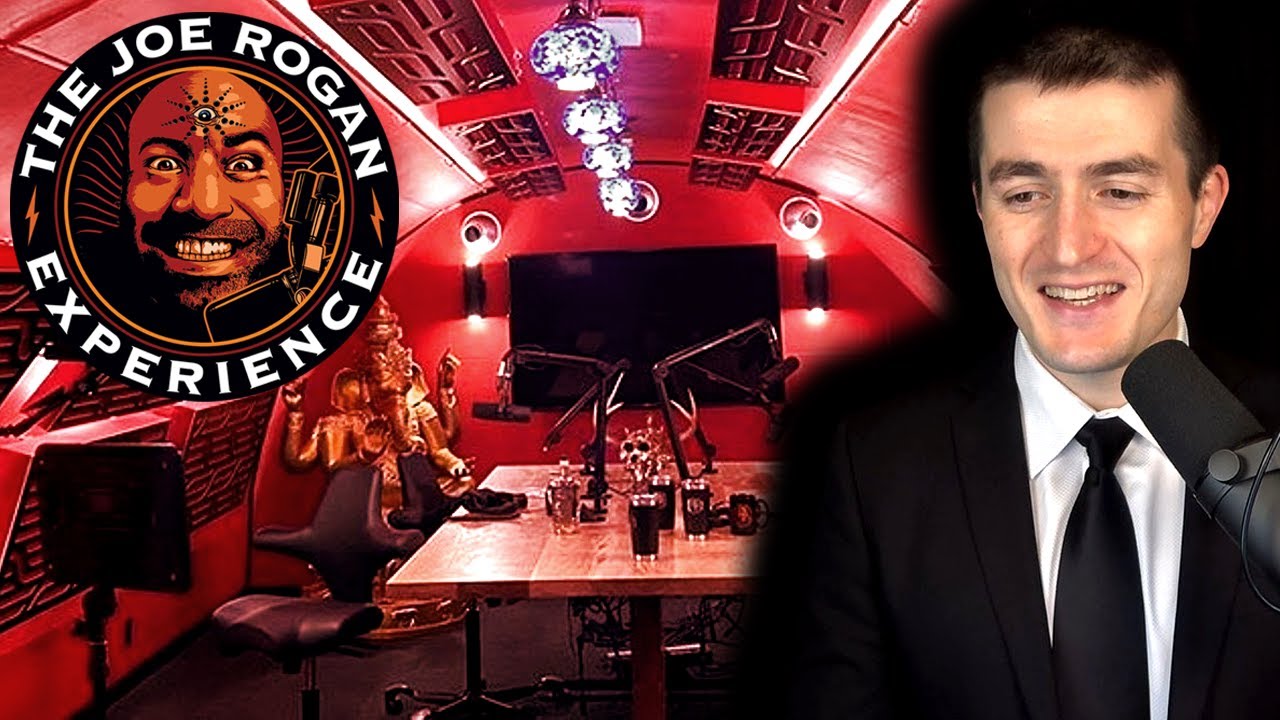

Joe Rogan's new Austin Texas studio is, in a word, better. After sitting down with Joe for the fifth time — and the first time in the new Texas space — the verdict is clear: the new JRE studio is a genuine improvement over the legendary setup he left behind in Los Angeles. Is it perfect yet? Not quite. But is it already doing something the old studio never quite nailed? Absolutely. Here's a firsthand breakdown of what the new studio actually looks and feels like from a guest's perspective, and why it might be the smartest creative move Joe has made in years.
What Is Joe Rogan's New Austin Studio Really Like?
From the moment you walk in, the new Austin studio feels more focused. The old studio had a sprawling quality to it — a lot of extra space that, while visually impressive on camera, could actually work against the energy of a conversation. The new space strips that back. It's tighter, more deliberate, and that intentionality changes the entire feel of being a guest.
 00:45
First impressions of the new Austin JRE studio layout and lighting setup
Watch at 00:45 →
00:45
First impressions of the new Austin JRE studio layout and lighting setup
Watch at 00:45 →
In real life — not just on screen — the new studio looks great. The lighting is dialed in, the background has a texture and depth that translates well on camera, and the overall production quality is already at a high level. And given how quickly Jamie Vernon iterated on the previous studio until it reached its iconic look, the new one is on the same trajectory. Give it a few months and it'll be untouchable.
Is the New JRE Studio Better Than the Old One?
The honest answer: yes, in several meaningful ways. The old Los Angeles studio had a certain charm and familiarity that fans grew to love — but it also had quirks that worked against the podcast format in subtle ways.
One of the biggest improvements in the new Austin studio is how it handles shared attention. In the previous setup, there were two televisions — one on each side of the desk. That meant when Joe and a guest were looking at something on screen, they were often looking at different TVs. It sounds like a small thing, but it's not. There's real psychology behind two people looking at the same object simultaneously. It creates a sense of shared experience, of alignment. It builds a subtle bond. The new studio has one large TV, and that single change makes the viewing and discussion experience noticeably more cohesive — both for the people in the room and for the cameras capturing it.
02:10
Comparison of the single-TV setup vs. the two-TV configuration in the old LA studio
Watch at 02:10 →
The other major improvement is intimacy. The new studio removes unnecessary square footage and pulls the conversation closer together. Think about the best interviewers in history — the ones who made guests feel like the rest of the world had disappeared. That's the atmosphere the new space cultivates. Less square footage, more psychological closeness. It's a surprisingly powerful upgrade.
Why Did Joe Rogan Leave LA for Austin Texas?
Joe Rogan made headlines when he announced his move from Los Angeles to Austin, Texas in 2020, citing personal freedom, lower taxes, and a desire for a different quality of life. The move also coincided with his landmark exclusive deal with Spotify. Austin has since become something of a hub for creators, tech entrepreneurs, and media personalities making similar moves away from California. The new JRE studio is a physical embodiment of that transition — a fresh start in a new city, with a new setup built from scratch rather than adapted from the old one.
Interestingly, Austin is also where Tesla's Gigafactory is located — the same facility producing the Cybertruck. There's a creative parallel there: just like the Cybertruck initially divided opinion before winning people over with its boldness, the new JRE studio might take some time for longtime fans to fully embrace. But the underlying engineering is sound, and the vision is clear.
How Does the JRE Studio Create Such a Great Atmosphere?
This is a question worth sitting with, especially if you're a podcaster trying to figure out your own setup. The Joe Rogan Experience has always been exceptional at creating a conversational bubble — a space where guests forget they're being recorded and just talk. How does the studio design contribute to that?
04:30
Jamie Vernon's production station and the behind-the-scenes engineering work
Watch at 04:30 →
- Reduced visual clutter: Fewer distractions mean the focus stays on the conversation.
- Shared sightlines: One TV means both parties are always looking at the same thing, reinforcing connection.
- Intimate scale: A smaller, more purposeful space creates psychological closeness without physical discomfort.
- Consistent lighting and audio: When the technical environment is flawless, guests relax. They stop being aware of microphones and cameras. That's when the real conversations happen.
The goal of any great podcast studio isn't to look impressive on a tour — it's to make the people inside it forget it exists. The new Austin studio is getting closer to that ideal than any previous version of the JRE set.
Who Is Jamie Vernon and Why Does He Matter?
If you've watched the Joe Rogan Experience, you know Young Jamie — the guy Joe shouts to when he wants something Googled mid-conversation. But Jamie Vernon, JRE's producer, is far more than a human search engine. He is, in many ways, the technical and creative backbone of the entire operation.
Jamie handles the camera switching, the audio engineering, the lighting configuration, the wiring, the streaming — essentially everything that makes a live, multi-hour podcast look and sound as clean as it does. And he does it largely solo. That's an extraordinary feat for a production of this scale and reach.
What's even more impressive than his technical skill is his mindset. Despite the enormous success of the show, despite the near-flawless execution week after week, Jamie remains deeply self-critical and humble. He's constantly looking for ways to improve, refusing to rest on what's already working. That attitude — the relentless pursuit of better even when things are already great — is something every creator and podcaster should study.
The new Austin studio is, in a very real sense, Jamie's creation. He built it, configured it, and is already in the process of refining it. If and when he sits down for an extended conversation about the craft and engineering behind the JRE production, it will be one of the most valuable podcasting masterclasses available anywhere.
What Can Podcasters Learn From the Joe Rogan Experience?
Whether you're running a show from a spare bedroom or building toward something larger, the lessons embedded in how JRE operates are genuinely transferable:
- Intimacy scales: You don't need a massive space to have massive conversations. Smaller and more intentional often wins.
- Shared attention creates connection: Design your setup so you and your guest are always oriented toward the same reference points.
- Never stop iterating: The original JRE studio wasn't perfect from day one. It got great because Jamie kept improving it, relentlessly. The same process is already underway in Austin.
- Humility is a competitive advantage: The best producers, hosts, and creators are the ones who stay self-critical even after achieving success. Comfort is where growth goes to die.
- The technical stuff matters more than you think: Audio quality, camera angles, lighting — these aren't afterthoughts. They shape whether a guest relaxes or stays guarded, and that changes everything about the conversation you'll actually capture.
The new Joe Rogan Experience studio in Austin, Texas is already a success — and it's only going to get better. For fans of the show, for podcasters studying the craft, and for anyone curious about what it actually feels like to sit across from Joe Rogan in that new space: it's worth the hype. The conversation continues, and the room it happens in has never been more ready for it.