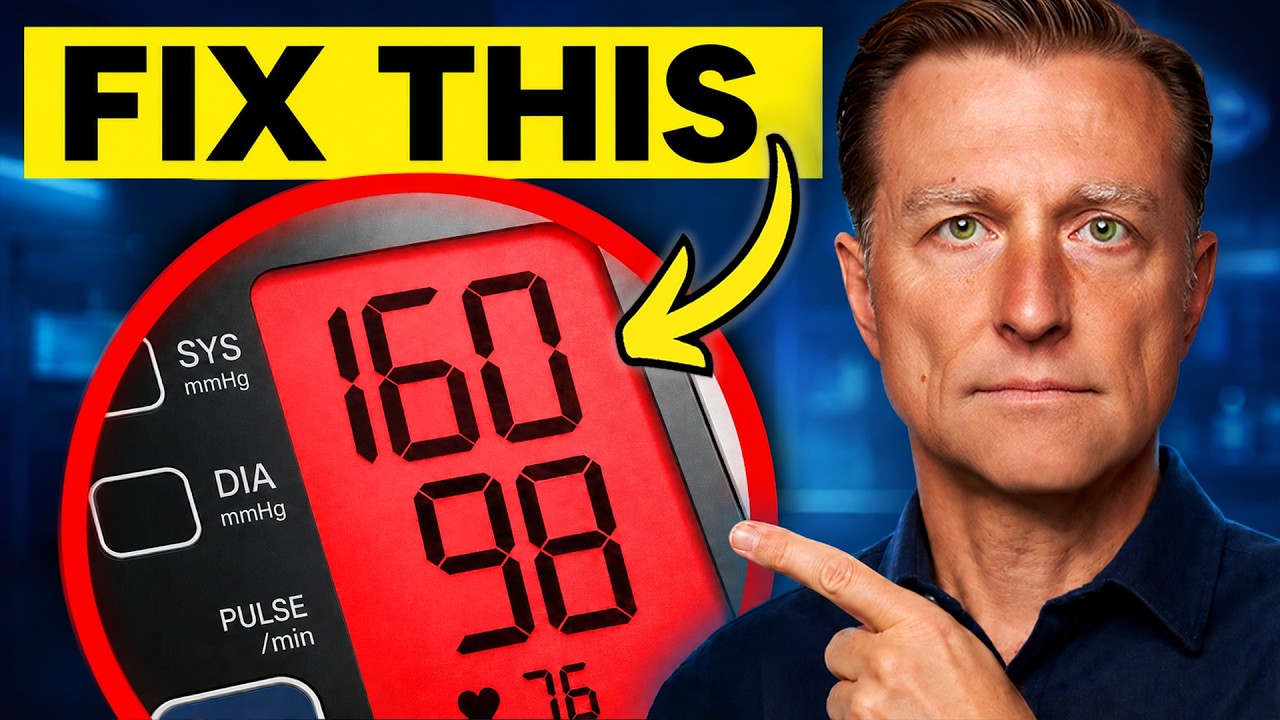

If your blood pressure medication isn't working, the drug itself may be part of the problem. Thiazide diuretics — the number one prescribed blood pressure medication in the United States, taken by over 40 million people — work by flushing excess sodium through the kidneys to reduce fluid volume and lower pressure. But in doing so, they also flush out magnesium and potassium: two minerals that are essential to keeping blood pressure down in the first place.
How Thiazide Diuretics Deplete the Minerals You Need
Magnesium plays a critical role in keeping the smooth muscles of the vascular system relaxed. Without adequate magnesium, arteries constrict because calcium can no longer be efficiently pumped out of cells. Excess intracellular calcium is a direct driver of high blood pressure — which is precisely why calcium channel blockers exist as a separate class of hypertension medication. Magnesium acts as a natural calcium channel blocker. It also functions as a natural beta-blocker, dampening the sympathetic nervous system and reducing the effect of adrenaline on the heart and vessels.
Approximately 30% of people taking thiazide diuretics show low magnesium on a standard blood test — and that figure understates the true problem. Only about 1% of the body's total magnesium circulates in the blood; the rest is stored in bone and muscle. When the body becomes deficient, it pulls magnesium from those reserves before blood levels drop. By the time a blood test registers deficiency, the depletion is already severe. A more accurate assessment requires a red blood cell magnesium test, which measures magnesium inside the cells rather than in serum.
Potassium is the other major casualty of thiazide use. Like magnesium, potassium relaxes arterial walls, helps maintain their elasticity, and supports kidney function. The two minerals work together — potassium cannot function properly without magnesium as a cofactor. People who supplement potassium without addressing magnesium deficiency often see no improvement in blood pressure as a result.
The recommended daily intake of potassium is 4,700 mg — a target most people don't come close to reaching. Research into early human diets suggests our ancestors consumed between 8,000 and 15,000 mg per day. Standard prescription potassium supplements come in 99 mg tablets, meaning a patient would need roughly 47 tablets a day to meet even the modern recommended intake from supplementation alone. That figure illustrates why dietary sources — avocados, leafy greens, electrolyte powders with meaningful potassium content — matter far more than a prescription tablet.
Insulin Resistance: The Underlying Driver Few Doctors Check
Medication-induced mineral depletion is only one part of the picture. The second major — and frequently overlooked — cause of treatment-resistant hypertension is insulin resistance.
When a person regularly consumes refined sugars and processed carbohydrates, the body produces large amounts of insulin to manage blood glucose. Over time, cells become resistant to insulin's signal, so the pancreas compensates by producing even more. This chronic elevation of insulin progressively stiffens the arterial walls. In many cases, hypertension is one of the earliest detectable signs of insulin resistance — appearing years before a formal diabetes diagnosis. Yet doctors rarely test fasting insulin levels during a hypertension workup.
Clinical research shows that a low-carbohydrate diet can reduce blood pressure by approximately 10 points on its own. When combined with other lifestyle changes — regular exercise, improved sleep, stress reduction, and adequate sun exposure — the cumulative effect on blood pressure can exceed what medication achieves.
The Sodium Myth and the Potassium Solution
Conventional advice focuses heavily on sodium restriction as the primary dietary lever for blood pressure control. The evidence for this is more complicated than it appears. Aggressively cutting sodium activates the sympathetic nervous system, raises cortisol, and can impair sleep — all of which drive blood pressure back up. Sodium restriction in isolation treats one variable while worsening several others.
Sodium and potassium operate in balance, functioning like a physiological seesaw. Rather than simply reducing sodium intake, increasing potassium so that the potassium-to-sodium ratio reaches at least two-to-one is a more effective and better-tolerated strategy. Even individuals who are salt-sensitive can normalize their response to sodium by adequately increasing potassium, because the two minerals regulate each other.
A Practical Protocol for Addressing the Root Causes
For anyone whose blood pressure medication is not producing adequate results, the following steps address the most common underlying deficiencies:
- Test magnesium accurately. Request a red blood cell magnesium test rather than a standard serum test. It is not perfect, but it provides a more meaningful picture of true magnesium status.
- Increase dietary potassium. Prioritize avocados, leafy green salads, and other whole foods with high potassium content. Consider electrolyte powders that provide potassium in meaningful doses — not the 99 mg tablet form.
- Supplement magnesium glycinate. This form has up to 80% bioavailability — among the highest of any magnesium supplement. For significant deficiency, take 150 mg three to four times per day spread throughout the day. Correction takes weeks, not days, because the mineral must replenish bone and muscle stores before vascular effects become apparent.
- Adopt a low-carbohydrate diet with intermittent fasting. This directly addresses insulin resistance, which is a structural cause of arterial stiffness and elevated blood pressure. The research supporting this approach is substantial and growing.
What This Means for Your Treatment
Blood pressure medication is often prescribed and renewed without examining whether the drug's side effects are undermining its own purpose. Depleting magnesium and potassium while prescribing a drug to lower the blood pressure those minerals naturally regulate is a self-defeating cycle. Addressing mineral status, correcting insulin resistance, and rebalancing the sodium-potassium ratio are not alternatives to medical care — but they are foundational variables that medication alone cannot compensate for. Before assuming the drug dosage needs to increase, it is worth asking whether the body has what it needs to respond.