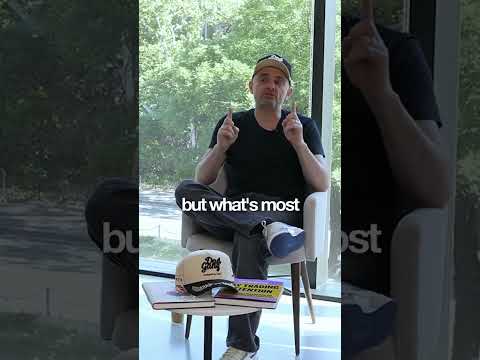
Every person watching, reading, or listening right now can recall a specific moment when someone's words changed them. That's not a small thing — that's the entire mechanism by which human beings reshape one another.
The Double-Edged Power of Speech
We are living through a moment where, as the speaker puts it plainly, many people's lives are becoming worse because they chose to believe someone spreading hate. Words aren't neutral. They carry the full weight of whoever delivers them and land with force on whoever receives them — for better or for worse.
Think about the people in your life: a grandparent, a parent, a sibling, a close friend, someone you admired from a distance. At least one of them said something that stuck. Something that altered how you saw yourself or the world. That's not coincidence — that's how language works at its core.
What History's Greatest Communicators Understood
Gandhi didn't lead armies. Martin Luther King Jr. didn't hold political office when he changed the course of a nation. What they wielded were words. Carefully chosen, consistently delivered, morally grounded words that shifted the perspectives of millions. The mechanism wasn't mysterious — it was language doing exactly what language does when used with intention and conviction.
The lesson isn't that these men were uniquely gifted orators, though they were. The lesson is that changing someone's perspective is achievable through speech — and that this power is available to anyone willing to use it responsibly.
Why Positivity Isn't Passive
There's a tendency to treat positivity as the soft option — the naive choice against the sharp edge of cynicism or outrage. But the argument here is the opposite: positivity and sincerity consistently outperform offense. Not because the world is fair, but because messages built on shared humanity travel further and last longer than messages built on division.
Hate-driven rhetoric captures attention. But attention isn't the same as influence, and influence isn't the same as lasting change. Words that elevate tend to compound over time; words that tear down tend to collapse under their own weight.
The Case for Keeping the Conversation Going
The reason to keep talking — to keep writing, to keep engaging — is precisely because words are the primary tool available for shifting how people think. It's not a passive act. Every conversation is an opportunity to offer a different frame, a more constructive perspective, a reason to reconsider.
That's the throughline: words matter because they change perspective, and changing perspective is how individuals — and societies — actually move forward.