
If you've ever frozen up when an interviewer asks "tell me about yourself," you're not alone. It's one of the most common interview questions — and one of the most misunderstood. The good news? This question is not a trap. In fact, it's one of the best opportunities you'll get in the entire interview to let your personality shine, make a genuine connection, and set yourself apart from every other candidate. Nail this one, and you set a powerful tone for everything that follows.
Here's a complete breakdown of how to answer "tell me about yourself" in a job interview — from why recruiters ask it to exactly what you should say, word for word.
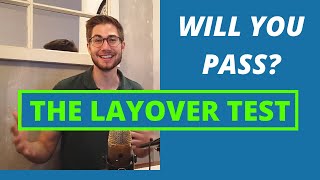 00:45
Anthony explains the real reasons interviewers ask 'tell me about yourself'
Watch at 00:45 →
00:45
Anthony explains the real reasons interviewers ask 'tell me about yourself'
Watch at 00:45 →
Why Do Interviewers Ask 'Tell Me About Yourself'?
Before you can craft a great answer, it helps to understand what the interviewer is actually looking for. Most candidates assume this is just a warm-up question — a throwaway before the "real" interview begins. That's a costly mistake.
Recruiters ask this question for several important reasons:
- It eases you into the conversation. Interviews are uncomfortable for most people. This question gives both you and the interviewer a chance to settle in and find a natural rhythm before the harder questions arrive.
- It gives context for the rest of the interview. How you answer this question acts as a lens through which the interviewer will interpret everything else you say. It helps them understand the "why" behind your career decisions.
- It creates a point of connection. Maybe you grew up in the same city, attended rival universities, or took a surprisingly similar career path. These small details create human moments that make you memorable.
- It reveals your communication skills. Can you tell a clear, concise, and compelling story? Employers are watching closely.
What Is the Layover Test and Why Does It Matter?
Here's something most job seekers never think about: your skills and experience might get you the interview, but your personality is often what gets you the job. Recruiters and hiring managers frequently use something called the layover test to evaluate candidates.
02:10
The layover test — would your interviewer want to be stuck with you at an airport?
Watch at 02:10 →
The idea is simple: if you and the interviewer were stranded together at an airport for a long layover, would the time feel enjoyable — or completely unbearable? Would they walk away thinking, "I'd actually love working with that person," or would they be counting the minutes?
This matters more than most people realize. Hiring decisions come down to cultural fit and likability far more often than pure qualifications. Two candidates with identical resumes will not get identical outcomes — the one with the warmer, more engaging presence almost always wins. The "tell me about yourself" question is your first real chance to pass the layover test.
How to Structure Your Answer: Past, Present, and Future
The most effective way to answer this question is to organize your response around three simple frames: where you've been, where you are now, and where you're going. This gives your answer a natural narrative arc that's easy to follow and genuinely interesting to hear.
Start With a Quick Snapshot of Who You Are
Open with one or two sentences that introduce you — both professionally and personally. Think of it as a headline for your story. For example: "I'm a problem-solver and a rockstar sales rep, and outside of work I'm a world traveler who loves hiking with my golden retriever."
03:30
Breaking down the past, present, future answer structure with a live example
Watch at 03:30 →
Yes, include something personal right up front. It humanizes you immediately and gives the interviewer something to connect with before you even get into your career history.
The Past: Where Did You Come From?
This is where you briefly touch on your background. You don't need to recite your entire resume — the interviewer already has that in front of them. Instead, share the story behind the resume. Consider mentioning:
- The city or region where you grew up
- Where you went to college and what you studied (and why, especially if you changed majors)
- Early career experiences or internships that shaped your direction
Keep this section concise. You're setting context, not delivering a biography. Two to three sentences is usually enough.
The Present: Where Are You Now?
Now talk about your current or most recent role. This is prime real estate in your answer — use it wisely. Focus on what you've learned, how you've grown, and what you've accomplished. If you're leaving your current job, you can briefly explain why in a positive and forward-looking way.
For example: "Right now I'm at Amazon, where I've worked my way up through several roles. I've built strong skills in problem-solving and creative strategy, but I've realized that work-life balance is a priority for me at this stage of my career."
Notice how that naturally leads into the next part of your answer.
The Future: Where Are You Going?
This is the most important part of your answer, and it's where most candidates miss a huge opportunity. Your "future" section should tie directly to the job you're interviewing for. Paint a picture of how this role fits perfectly into where you're headed — because to a recruiter, a candidate with a clear direction is far more compelling than one who just needs a paycheck.
Something like: "What I'm looking for going forward is a role where I can keep growing as a strategic thinker while working somewhere that values balance and collaboration — which is exactly why your company caught my attention."
Make them feel like hiring you is the obvious next chapter of a story that's already been building.
Should You Mention Personal Interests in Your Answer?
Absolutely — and don't skip this part. Once you've wrapped up the professional narrative, close your answer with a genuine personal detail or two. This is what transforms a solid interview answer into a memorable one.
Talk about a hobby, a passion, or something you do outside of work that reveals your character. Travel, sports, volunteering, cooking, creative projects — anything that feels authentic to you. The goal isn't to perform or impress; it's to give the interviewer more data points to connect with you on a human level.
For instance: "Outside of work, I've traveled to 15 countries and counting — I love experiencing different cultures and ways of life. And when I'm closer to home, you'll find me hiking with my four-year-old golden retriever, who I've had since she was a puppy."
Details like the dog's age, the number of countries, the fact that you got her in college — these specifics make you real and relatable. They're the kinds of things people actually remember.
How to Build a Real Connection with Your Interviewer
Every detail you share in your "tell me about yourself" answer is a potential thread the interviewer can pull on. The more authentic and specific you are, the more opportunities you create for genuine connection.
Think about it from the interviewer's side: if you mention you grew up in Austin and so did they, that's an instant bond. If you describe a career pivot that mirrors one they made early in their own journey, you've earned credibility and empathy at the same time. These moments of connection don't happen by accident — they happen because you gave enough personal detail to make them possible.
So as you prepare your answer, ask yourself: What details about my story are someone else might relate to? Lead with those.
Putting It All Together
Here's a quick recap of the full framework for answering "tell me about yourself" in your next job interview:
- Open with a snapshot — one or two sentences covering who you are at work and outside of it
- Cover your past — hometown, education, early career moments that shaped you
- Describe your present — current or recent role, what you've learned, and why you're ready for something new
- Point to your future — tie your next step directly to the job you're interviewing for
- End with something personal — a hobby or interest that makes you human and memorable
Done right, this answer doesn't just tell the interviewer who you are — it shows them exactly why they should want you on their team. And that's the whole point.